

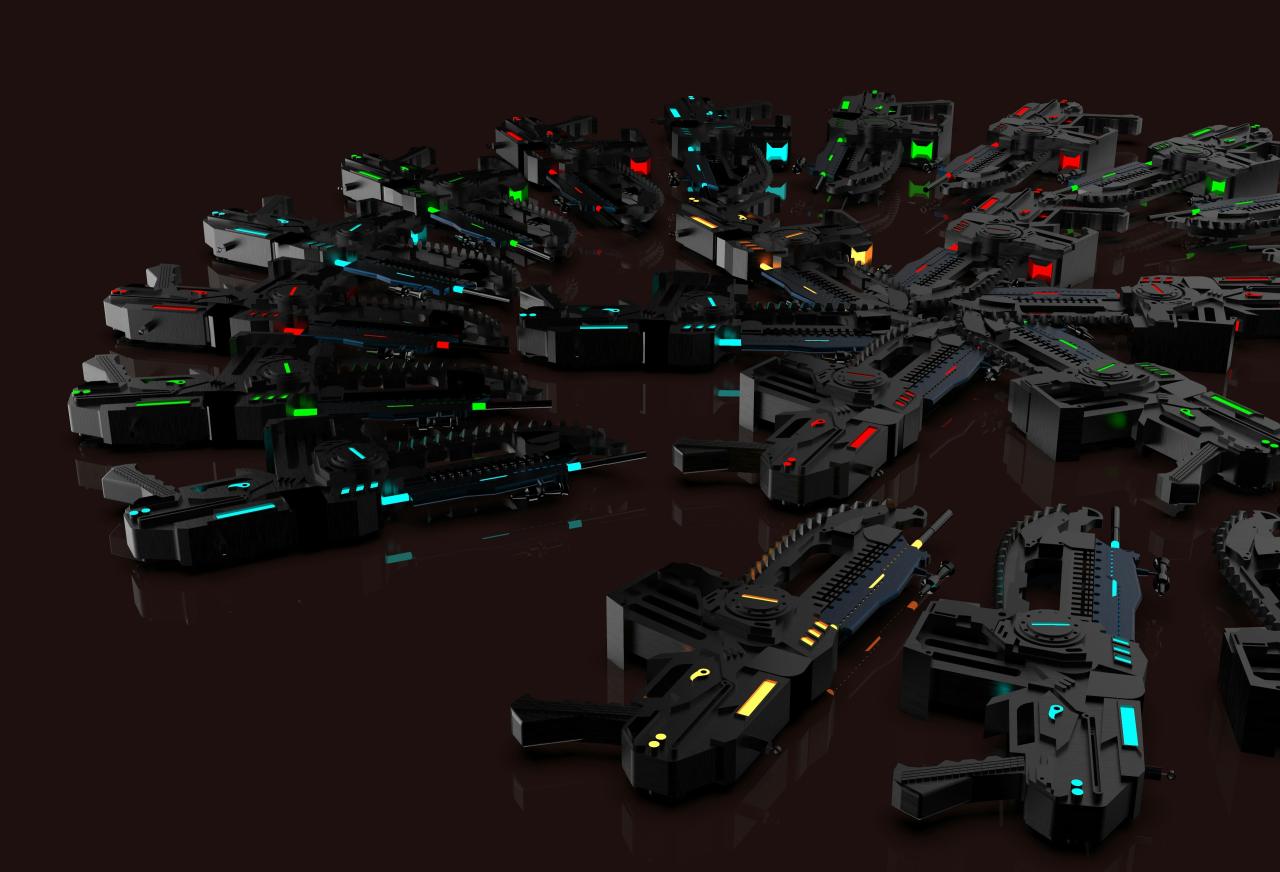
The massive growth of the global entertainment sector has turned what was once a simple hobby into a multi-billion dollar juggernaut of economic power. Modern gaming is no longer just about the people holding the controllers; it is about an expansive network of highly skilled professionals working tirelessly behind the scenes to build digital worlds.
As technology advances with artificial intelligence and high-fidelity graphics, the demand for specialized talent has caused salaries to skyrocket for top-tier roles. Many people still believe that the only way to make money in this industry is by becoming a professional player, but the reality is far more diverse and lucrative.
From the architects of game logic to the creative directors who shape narrative emotional beats, the professional landscape offers career paths that rival traditional high-stakes corporate roles. For those who possess a blend of technical mastery and creative passion, the gaming world has become one of the most rewarding fields for long-term career stability.
This shift has created a new class of “gaming elite” who command six-figure salaries while shaping the future of digital interaction. In this deep dive, we will explore the most profitable professional roles currently available in the gaming and esport ecosystem. By understanding these paths, you can align your unique skills with an industry that shows no signs of slowing down its upward trajectory.
A. Lead Artificial Intelligence (AI) Engineer
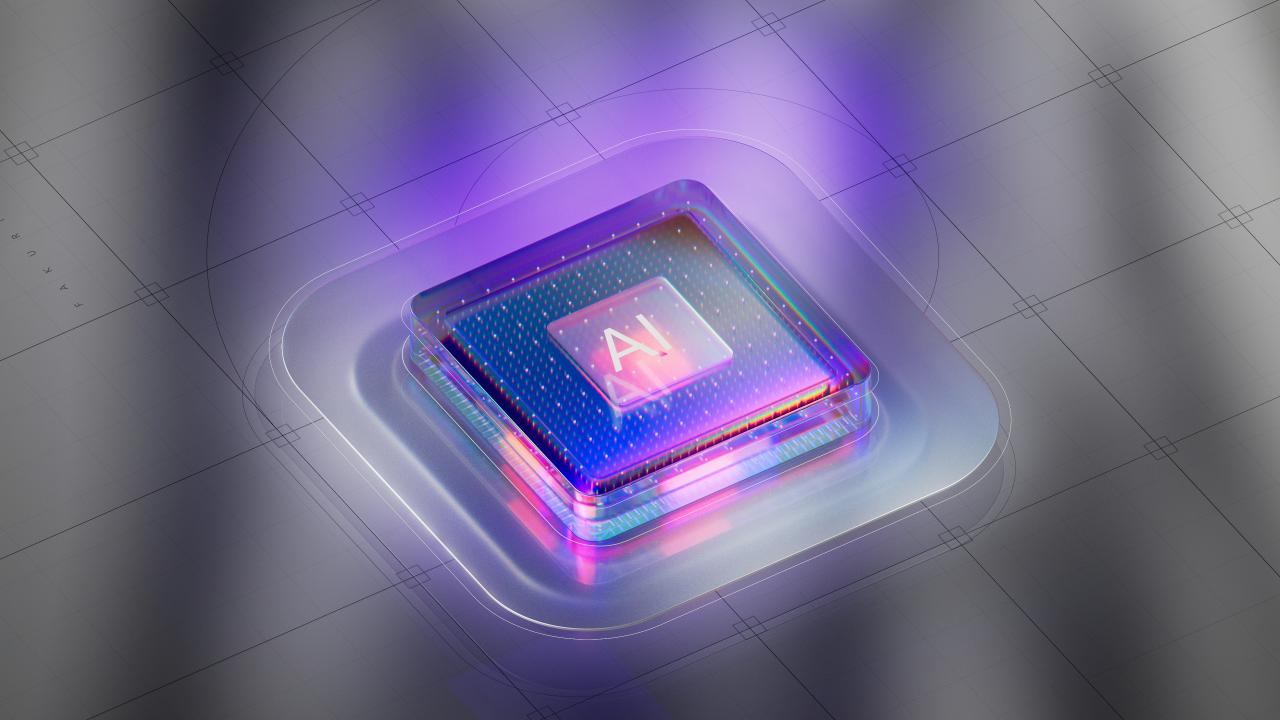
Artificial intelligence is currently the most significant frontier in modern game development and systems design.
A Lead AI Engineer is responsible for creating complex behaviors for non-player characters and dynamic world-generation systems.
This role requires a deep understanding of machine learning and advanced mathematics to make digital environments feel alive.
-
Behavioral Design: Developing the logic that allows enemies or companions to react realistically to player actions.
-
Procedural Generation: Using algorithms to create endless, unique landscapes and quest lines without manual labor.
-
Pathfinding Optimization: Ensuring that characters navigate complex 3D environments smoothly and without glitches.
B. Technical Director (TD) and Engineering Leadership
The Technical Director sits at the very top of the engineering hierarchy, overseeing all technical aspects of a game’s production.
They are the bridge between the creative vision of the designers and the practical limitations of the hardware and software.
A TD must manage large teams of programmers while making high-level decisions about which game engines and tools to utilize.
-
Architecture Oversight: Designing the core software framework that allows all other game systems to function together.
-
Budget and Resource Management: Ensuring that the technical side of the project stays within its financial and time constraints.
-
Risk Assessment: Identifying potential technical bottlenecks early in the development cycle to prevent costly delays.
C. Senior Graphics Programmer and Engine Developer
Visual fidelity is often the first thing a consumer notices, making the Graphics Programmer a vital asset for any major studio.
These professionals specialize in rendering techniques, lighting models, and the optimization of visual assets for different platforms.
They work closely with the hardware to squeeze every bit of performance out of modern graphics cards and gaming consoles.
-
Shader Development: Writing custom code that dictates how light interacts with different surfaces like water, skin, or metal.
-
Rendering Pipelines: Building the systems that translate 3D data into the 2D images seen on the player’s screen.
-
Performance Profiling: Constant testing to ensure the game maintains a high frame rate even during intense action sequences.
D. Principal Game Designer and Creative Visionary
The Principal Game Designer is the architect of the fun, responsible for the overarching mechanics and systems of the title.
They decide the core gameplay loop, the level of difficulty, and how the story is integrated into the player’s experience.
This role requires a massive amount of experience and an intuitive understanding of human psychology and player engagement.
-
System Balancing: Fine-tuning the numbers and rules to ensure that the game is neither too easy nor unfairly difficult.
-
Narrative Integration: Working with writers to make sure the gameplay reflects the emotional stakes of the story.
-
Feature Prioritization: Deciding which gameplay elements are essential and which should be cut to meet the release date.
E. Lead Network Programmer and Multiplayer Architect
In an era dominated by online play, the Network Programmer ensures that players around the world can interact without lag.
They handle the complex “netcode” that synchronizes actions across thousands of miles and different internet speeds.
As esports continue to grow, the importance of a perfectly stable and fair network environment has never been higher.
-
Server-Side Development: Building the massive infrastructure that hosts millions of players simultaneously.
-
Latency Mitigation: Using clever tricks to hide the delay that naturally occurs when data travels over the internet.
-
Anti-Cheat Integration: Creating systems that detect and block players who try to gain an unfair advantage through hacking.
F. Global Esport Manager and Operations Director
The professional competitive scene requires a different type of management focused on events, teams, and sponsorships.
An Esport Manager oversees the business operations of a team or a league, ensuring financial viability and brand growth.
They are responsible for negotiating player contracts, securing major corporate partners, and managing live event logistics.
-
Sponsorship Acquisition: Pitching the value of the esport audience to non-endemic brands like luxury cars or financial firms.
-
Talent Management: Handling the daily needs and career development of high-profile professional gamers.
-
Tournament Logistics: Coordinating with broadcasters and venue owners to produce high-quality live competitions.
G. Senior Gameplay Engineer and Systems Specialist
Gameplay Engineers focus specifically on how the game “feels” when the player interacts with the world.
They code the physics of movement, the mechanics of combat, and the responsiveness of the user interface.
Without high-quality gameplay engineering, even the most beautiful game will feel clunky and frustrating to play.
-
Character Controllers: Programming how a character walks, jumps, and interacts with objects in the environment.
-
Combat Systems: Designing the “hitboxes” and timing windows for attacks to ensure the action feels satisfying.
-
Physics Integration: Making sure that gravity, collisions, and environmental destruction behave as players expect.
H. Game Director and Executive Producer
The Game Director is the ultimate authority on the project, functioning similarly to a film director on a movie set.
They manage the creative, technical, and business sides of the game to ensure the final product matches the original vision.
Executive Producers focus more on the business side, handling publishing deals, marketing strategies, and long-term studio health.
-
Vision Casting: Keeping all departments aligned on a single creative goal throughout several years of development.
-
Publishing Relations: Acting as the main point of contact for the company that is funding and distributing the game.
-
Crisis Management: Making the tough decisions during “crunch” periods to keep the team motivated and the project on track.
I. Lead UI/UX Designer and Interface Architect
User Interface (UI) and User Experience (UX) designers ensure that the game is intuitive and easy to navigate.
A Lead UI/UX Designer studies player behavior to place menus and buttons in the most natural locations.
In the competitive gaming world, a clean and efficient interface can be the difference between a win and a loss.
-
Menu Flow: Designing the architecture of the game’s menus so players can find what they need in seconds.
-
Haptic Feedback: Coordinating with engineers to use controller vibrations and sounds to guide the player.
-
Accessibility Design: Ensuring that players with disabilities can enjoy the game through custom controls and visual aids.
J. Senior Market Research Analyst and Data Scientist
Modern gaming companies use massive amounts of data to understand how players spend their time and money.
A Data Scientist in the gaming industry analyzes player retention, spending habits, and community sentiment.
This information is used to design better updates, more effective marketing, and fair monetization systems.
-
Player Segmentation: Grouping players by their behavior to create personalized offers or challenges.
-
Churn Prediction: Identifying the signs that a player is about to quit and offering incentives to stay.
-
Economy Balancing: Ensuring that in-game purchases are priced correctly and don’t ruin the game’s competitive integrity.
The Evolution of Professional Gaming Compensation
The financial rewards for high-level gaming professionals have reached parity with traditional tech sectors.
Lead engineers and directors often receive performance bonuses based on the game’s sales and review scores.
Equity and stock options are also common in major studios like Electronic Arts, Activision, or Riot Games.
This shift has made it much easier for parents and educators to support careers in the digital arts.
The stability of these roles is much higher than that of the professional players themselves.
While a player’s career might last five years, a developer can stay in the industry for forty years.
Investing in the education required for these roles provides a massive long-term return on effort.
The prestige of working on a global blockbuster title is now equal to working on a Hollywood film.
Understanding the Education and Skill Requirements
Breaking into these high-paying roles requires more than just a love for video games and hardware.
Most technical roles demand a degree in Computer Science, Software Engineering, or specialized Game Design.
Creative roles often look for a strong portfolio of work that demonstrates a deep understanding of storytelling.
Management roles in esports are now seeing an influx of MBA graduates from top-tier business schools.
Continuous learning is a requirement because the technology changes every eighteen to twenty-four months.
Learning to work in Unreal Engine 5 or specialized proprietary tools is a lifelong commitment for developers.
Soft skills like communication and leadership are just as important as the ability to write clean code.
The best professionals are those who can speak the language of both the artist and the engineer.
Navigating the Future of Gaming Careers
The next wave of high-paying roles will likely focus on the integration of the “metaverse” and Web3 tech.
Virtual Reality (VR) and Augmented Reality (AR) designers are already seeing a spike in demand and salary.
As games become more than just entertainment, we will see roles for virtual architects and digital economists.
The boundary between a “game” and a “social platform” is disappearing quickly in the modern world.
This means that skills in social engineering and community management will become even more valuable.
The gaming industry is no longer a separate island but the center of all modern digital culture.
Staying ahead of these trends will allow you to position yourself for the next generation of high-paying jobs.
The future is bright for anyone willing to master the intersection of play and professional technology.
Conclusion

Professional roles in the gaming industry offer some of the highest salaries in tech. The demand for technical talent is far outstripping the current supply of skilled workers. Engineering and leadership positions are the most stable paths for long-term career growth. Designers and creative directors provide the emotional soul that makes a game successful.
Esport management has matured into a serious business field with global opportunities. Data science allows studios to make better decisions and keep their players engaged. Specializing in emerging tech like AI will provide the most leverage for future earnings. Success in this field requires a perfect balance of technical skill and creative passion.