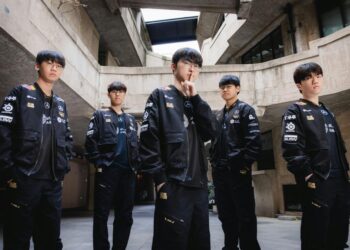


Introduction: The Myth of the Solo Superstar
In the electrifying realm of competitive esports, it is often tempting to believe that success is simply a matter of aggregating the most individually talented players—the superstars with the highest kill-death ratios, the fastest reaction times, and the most spectacular highlight reels. However, history is littered with so-called “super teams” that assembled an all-star roster only to spectacularly fail on the grand stage, proving that raw mechanical skill, while necessary, is profoundly insufficient to secure sustained championship success. The competitive chasm between a collection of talented individuals and a truly dominant team is bridged by elements that cannot be measured on a scoreboard: deep synergy, psychological cohesion, role mastery, and a unified strategic vision. Building a successful esports team is, therefore, an intricate exercise in human resource management, requiring coaches and owners to look far beyond the in-game statistics and delve into the complexities of team dynamics.
The construction of an elite roster demands a holistic approach, where the strategic fit of each player’s playstyle and personality within the group framework is prioritized over sheer individual brilliance. A team is not merely the sum of its players’ skills; it is a complex, delicate system where every member must amplify the strengths of the others while minimizing collective vulnerabilities. This meticulous process involves scouting for complementary skill sets, cultivating clear leadership structures, integrating supportive roles, and enforcing a culture of accountability and continuous improvement. The greatest teams, from the golden age of Astralis in Counter-Strike to the dynasty of T1 in League of Legends, are defined by their chemistry, not their statistics.
This comprehensive guide will deconstruct the sophisticated methodology behind building a championship-caliber esports team. We will analyze the essential non-mechanical criteria for player selection, detail the crucial roles of leadership and specialized support staff, explore the process of fostering psychological cohesion, and examine the strategic framework required to convert diverse individual talents into a single, unstoppable competitive machine. The journey to the top of esports is fundamentally about building a unit that functions seamlessly, proving that genuine teamwork is the ultimate competitive advantage.
Section 1: The Roster Construction Philosophy
The foundation of a great team lies in a well-defined philosophy that dictates player recruitment and role definition, prioritizing collective function over individual ego.
A. The Importance of Role Mastery and Fit
Recruitment must focus on finding players who not only master their assigned role but also fit strategically within the team’s composition.
A. Defined Role Archetypes: Every player must clearly understand and master their defined role archetype—be it the aggressive entry-fragger, the passive support, the consistent carry, or the strategic in-game leader. Ambiguity leads to conflict.
B. Complementary Playstyles: Coaches look for complementary playstyles. An aggressive Jungler, for instance, pairs best with a stable, resource-hungry mid-laner, creating a synergistic dynamic that maximizes both players’ potential.
C. The Resource Allocation Matrix: Team building must consider the resource allocation matrix. The team must not draft five players who all demand high in-game resources (like gold or map control), as this creates internal friction and strategic weakness.
D. Versatility vs. Specialization: A balance must be struck between versatility (players who can play multiple champions/roles) and specialization (players who are the absolute best at a few key roles). Versatility helps in drafting; specialization secures core strategies.
B. Beyond Mechanical Skill: Non-Gaming Criteria
The most successful organizations look for traits that guarantee long-term stability and team cohesion, often unrelated to in-game performance.
A. Communication Proficiency: Players must exhibit clear, concise communication proficiency. Their ability to convey critical information rapidly and accurately under extreme pressure is often more valuable than raw aim.
B. Coachability and Adaptability: The player must be coachable, willing to accept critical feedback, and exhibit high adaptability to constantly changing team strategies, game patches, and competitive environments.
C. Low-Ego Temperament: A low-ego temperament is essential. The player must be willing to sacrifice personal statistics for team success, avoiding the arrogance that often plagues highly skilled individual players.
D. Mental Resilience: High mental resilience and a strong ability to manage stress and recover quickly from mistakes (tilt management) are crucial predictors of longevity and performance stability in high-stakes environments.
Section 2: Leadership and Strategic Direction
Every championship team requires a clear, defined structure of authority and an intellectual leader to guide the team’s strategic endeavors.
A. The Role of the In-Game Leader (IGL)
The IGL is the brain of the team, the primary decision-maker responsible for converting high-level strategy into real-time action.
A. Clear Authority: The IGL must be granted clear authority by the coach and the team. Hesitation or second-guessing the IGL mid-game is catastrophic for team coordination and performance.
B. Strategic Vision: The IGL is responsible for maintaining the strategic vision, guiding the team’s rotations, objective priorities, and decision-making tempo, all while dealing with personal mechanical execution.
C. Emotional Stability: An effective IGL requires exceptional emotional stability. They must maintain a calm, authoritative voice regardless of the current score, preventing tilt from spreading through the comms.
D. Delegation of Tasks: Top IGLs are masters of delegation of tasks, assigning specific, clear duties (e.g., “watch the flank,” “track the enemy ultimate”) to teammates, minimizing their own cognitive load.
B. The Influence of the Coaching Staff
The coaching staff is the primary architect of the team’s identity, strategy, and mental state.
A. Meta Analysis: Coaches are the primary drivers of meta analysis, translating complex patch notes and statistical data into actionable, easy-to-understand strategies for the players.
B. VOD Review Discipline: The coaching staff enforces VOD review discipline, ensuring that the team dedicates sufficient time to the tedious, but necessary, process of self-correction and opponent profiling.
C. Team Psychology Management: Coaches act as team psychologists, mediating conflicts, resolving internal disagreements, and ensuring that all team members are psychologically aligned and motivated.
D. The Substitution Strategy: In games with substitution rules, the coach determines the substitution strategy, fielding the most optimal roster based on the opponent’s playstyle and the specific map or game mode being played.
Section 3: Fostering Team Chemistry and Cohesion

Team chemistry—the intangible force that separates a good team from a great one—is not accidental; it is actively cultivated through shared experiences and mutual respect.
A. Building Trust and Communication
The foundation of team chemistry is deep mutual trust and fluid, unfiltered communication.
A. Accountability Culture: The team must foster a culture of accountability, where players feel safe to critique each other’s mistakes without fearing emotional retaliation or personal attacks.
B. Team Bonding Activities: Mandatory team bonding activities outside of the game (e.g., cooking classes, sports, shared meals) are essential for building trust and empathy, translating into better communication under pressure.
C. Clear Communication Protocols: Teams establish rigorous communication protocols, defining what needs to be said, when it needs to be said, and the tone in which it should be delivered, especially during high-stress moments.
D. Addressing Toxic Behavior: Any hint of toxic behavior (blaming, excessive negativity, personal attacks) must be immediately and ruthlessly addressed by the coaching staff to protect the team’s psychological health.
B. The Power of Shared Experience
Chemistry is cemented by surviving adversity together and achieving shared, difficult goals.
A. Surviving Adversity: Teams that have successfully navigated periods of adversity (losing streaks, tournament upsets) often emerge stronger, as these experiences forge resilience and deeper trust in the system.
B. Shared Sacrifice: The daily grind is a shared sacrifice. The intense schedule, VOD review, and physical demands create a common bond, reinforcing the idea that everyone is committed to the same difficult goal.
C. Celebrate Successes: Even small victories and milestones should be used to celebrate successes and reinforce positive behaviors. This builds a sense of momentum and mutual confidence.
D. Maintaining Perspective: The coaching staff helps players maintain perspective, reminding them that the competitive journey is long and that short-term failures are simply data points in the pursuit of long-term mastery.
Section 4: The Integration of Support Staff
The modern esports team is a holistic performance unit, relying on specialized experts to maintain peak physical and mental functionality.
A. Performance Enhancing Support
These staff members work directly to maximize the cognitive and physical output of the players.
A. Mental Performance Coach: The Mental Performance Coach (MPC) works individually with players to teach techniques for optimal focus, arousal regulation, visualization, and managing the debilitating stress of competition.
B. Data Analyst Specialists: Data Analyst Specialists provide the quantitative backbone for strategy, using complex algorithms to track player performance metrics, opponent tendencies, and statistical advantages in specific situations.
C. Nutritionist and Chef: A dedicated nutritionist and chef ensure the players’ diet is optimized for cognitive function and sustained energy, viewing food as fuel for high-level mental performance.
D. Physical Therapist: The physical therapist is crucial for long-term health, designing and enforcing stretching routines and ergonomic adjustments to prevent the career-threatening injuries associated with repetitive motions.
B. Operational and Logistical Support
This staff manages the non-gaming aspects, allowing the players to dedicate 100% of their focus to practice and competition.
A. Team Manager: The Team Manager is the linchpin of operations, handling all travel logistics, scheduling, external communications, and day-to-day welfare of the players in the team house.
B. Media Relations Officer: A Media Relations Officer manages the team’s public image, handling interviews, press conferences, and the often-turbulent world of social media to shield the players from unnecessary external pressure.
C. Legal and Financial Counsel: Given the high stakes, professional organizations require specialized legal and financial counsel to manage complex contracts, sponsorships, and long-term financial planning for the athletes.
D. Substitutes and Academy Players: Maintaining a strong Academy or Substitute roster provides valuable internal scrim practice, offers potential talent replacements, and ensures the main team remains motivated by internal competition.
Section 5: The Iterative Process of Improvement
Building a team is not a one-time event; it is a continuous, iterative cycle of evaluation, adaptation, and refinement that never truly ends.
A. Post-Tournament Evaluation
Every major competitive cycle ends with a thorough, objective post-mortem designed to facilitate necessary changes.
A. Performance Metrics Deep Dive: The coaching staff conducts a performance metrics deep dive, comparing actual results against expected outcomes across all key strategic areas to identify systemic failures.
B. Individual Player Review: Each player participates in a frank and honest individual player review, assessing their own performance, identifying their weaknesses, and setting goals for the next season.
C. Chemistry Check: A formal chemistry check (often conducted by the MPC) assesses the psychological health of the team, looking for unresolved conflicts or emotional fatigue that could lead to burnout.
D. The Roster Decision: Based on all data and feedback, the organization makes the difficult roster decision, determining which players fit the strategic vision moving forward and which require replacement or transfer.
B. The Cycle of Adaptation
The competitive Meta changes rapidly, meaning a team’s strategic framework must be equally fluid and adaptive.
A. Patch Adaptation: A successful team is defined by its speed of patch adaptation, rapidly deciphering new game updates and integrating them into their strategy faster than their competitors.
B. Learning from Defeat: The most valuable lesson comes from learning from defeat. Teams actively seek out losses against superior opponents in scrims to expose weaknesses and force innovative strategic responses.
C. Strategic Innovation: Teams must dedicate time to strategic innovation, theory-crafting and testing unconventional compositions or tactics that break the current Meta and surprise opponents.
D. Maintaining Motivation: The most challenging task is maintaining motivation through the long offseason and the inevitable pressure points of a season, requiring constant effort from the entire support staff.
Conclusion: Synergy is the Ultimate Skill

Building an elite esports team is a masterful act of human engineering, a process that understands the profound truth that five players working seamlessly together will always defeat five individuals fighting alone. The foundation of success is not mechanical skill.
Successful team construction prioritizes complementary playstyles and the strategic fit of each individual within a structured team system.
Recruitment focuses on crucial non-gaming traits, particularly high coachability and unwavering mental resilience, over raw individual statistics.
The In-Game Leader (IGL) must maintain supreme emotional stability and clear strategic vision as the final decision-maker on the server.
The coaching staff acts as the team psychologist, managing interpersonal conflicts and driving rigorous VOD review discipline to accelerate learning.
Team chemistry is actively cultivated through shared sacrifices and mandatory team bonding to build crucial mutual trust and accountability.
Advanced teams utilize a full support staff, including a Mental Performance Coach and Data Analysts, to optimize both cognitive and strategic output.
The daily grind requires the seamless integration of a Physical Therapist and Nutritionist to manage the physical toll and ensure sustained high-level performance.
Every season concludes with a meticulous post-tournament evaluation to identify systemic failures and inform the necessary roster decisions.
The enduring success of any organization hinges on its commitment to the iterative process of adaptation and refinement, recognizing that team building is a process without end.