


Introduction: The New Frontier of Corporate Marketing
The world of competitive esports has evolved far beyond a niche hobby, transforming into a global entertainment powerhouse with viewership figures that rival and, in some key demographics, surpass traditional sporting events. This rapid escalation in mainstream visibility has triggered a massive influx of corporate investment, establishing esports sponsorship as the newest and most fertile frontier for brand marketing. Historically, sponsorship in gaming was confined to endemic partners—companies selling gaming peripherals, hardware, or energy drinks. Today, the landscape is dramatically different, featuring major non-endemic brands from automotive, finance, telecommunications, and high fashion sectors, all vying for authentic access to the young, digitally native, and highly engaged esports audience. This audience is notoriously ad-averse but deeply loyal to the teams and creators they follow.
The shift toward non-endemic investment signifies that sponsorship deals in esports are no longer viewed merely as altruistic support for a growing industry. Instead, they are sophisticated, data-driven marketing investments designed to maximize brand value and achieve measurable return on investment ($\text{ROI}$). The challenge for teams and leagues is to move beyond simple logo placement and create nuanced, multi-layered partnerships that genuinely resonate with the fanbase. This requires a deep understanding of the unique digital channels, the language of the gaming community, and the specific performance metrics that define success in the virtual arena.
To successfully navigate this complex commercial ecosystem, organizations must treat their brand as a valuable, measurable commodity, capable of delivering highly targeted marketing outcomes for their partners. This comprehensive analysis will meticulously dissect the fundamental mechanics of esports sponsorship, detail the crucial differences between endemic and non-endemic deals, explore the various assets and inventory available for monetization, and reveal the strategic methods used by elite organizations to maximize their brand value and secure multi-million dollar deals that fuel the continuous growth of the professional scene.
Section 1: Decoding the Value Proposition
The initial step in securing high-value sponsorships is clearly defining what a team or league offers that traditional sports or media cannot.
A. The Audience Demographic Edge
The esports audience provides sponsors with a unique and highly coveted demographic profile that is difficult to reach through conventional channels.
A. Youth and Affluence: The core esports audience is characterized by its youth and relative affluence. The majority of viewers fall into the highly desirable $18$–$35$ age bracket, possessing significant disposable income and digital purchasing power.
B. Digital Native Engagement: This audience is digitally native, meaning they spend less time consuming linear television and more time engaging with digital platforms like Twitch, YouTube, and Discord, making traditional advertising ineffective.
C. Global Reach and Scale: Esports offers unparalleled global reach and scale, allowing a sponsor to target diverse international markets simultaneously through a single partnership with a major league or internationally recognized team.
D. High Engagement Intensity: Esports fans exhibit high engagement intensity, often watching hours of live competitive content daily, which provides sponsors with repeated, long-duration exposure opportunities that are scarce elsewhere.
B. Authenticity and Credibility
In a community that values sincerity, authenticity is the critical currency for successful brand integration.
A. Endemic Brand Loyalty: Fans show strong endemic brand loyalty toward companies that have historically supported the scene (e.g., peripheral and $\text{PC}$ component manufacturers), demonstrating that long-term support builds trust.
B. Non-Endemic Challenges: Non-endemic brands must overcome the challenge of authenticity. The community is quick to reject partnerships that feel forced, irrelevant, or performative, often leading to negative backlash.
C. Value-Added Content: The most successful non-endemic sponsorships focus on creating value-added content—behind-the-scenes videos, player documentaries, or charitable events—that enhances the fan experience rather than just selling a product.
D. The Player Endorsement: Sponsorship success often hinges on a compelling player endorsement, where the athlete genuinely uses and advocates for the product, transferring credibility from the player to the brand.
Section 2: Inventory and Asset Monetization
A professional esports organization possesses a vast array of assets, or inventory, that can be packaged and sold to potential sponsors in tiered structures.
A. Digital and Broadcast Assets
These are the most measurable and quantifiable assets, directly tied to viewership metrics and digital exposure.
A. Jersey Real Estate: The most premium and recognizable asset is jersey real estate, where the sponsor’s logo is prominently featured on the team uniform worn by players during competition and on all broadcast content.
B. Overlay and Stream Branding: During competitive matches and player streams, digital overlay and stream branding provides guaranteed, high-frequency logo visibility for thousands of hours of content.
C. In-Game Activations: Teams and leagues offer custom in-game activations, such as sponsor-branded segments, named in-game awards (e.g., “The $\text{XYZ}$ Play of the Week”), or custom digital arenas.
D. Social Media and Content Placement: Dedicated exposure on the team’s high-traffic social media channels and video-on-demand ($\text{VOD}$) content provides measurable impressions and reach statistics to sponsors.
B. Physical and Experiential Assets
Sponsorship extends beyond the screen, offering tangible and unique physical engagement opportunities.
A. Facility Naming Rights: Organizations can sell the naming rights to their physical training facilities or headquarters, turning a capital expense into a recurring, high-value sponsorship asset.
B. Experiential Events: Sponsors gain access to experiential events, such as fan meet-and-greets, exclusive $\text{VIP}$ viewing parties, or interactive booths at live tournaments, providing direct consumer interaction.
C. Player Appearances: The high-value asset of player appearances allows sponsors to leverage the star power of athletes for corporate events, product launches, or commercial shoots.
D. Exclusive Category Ownership: A sponsor often purchases exclusive category ownership within the team (e.g., Official Energy Drink Partner), locking out competitors and guaranteeing market dominance within the partnership.
Section 3: The Endemic vs. Non-Endemic Spectrum
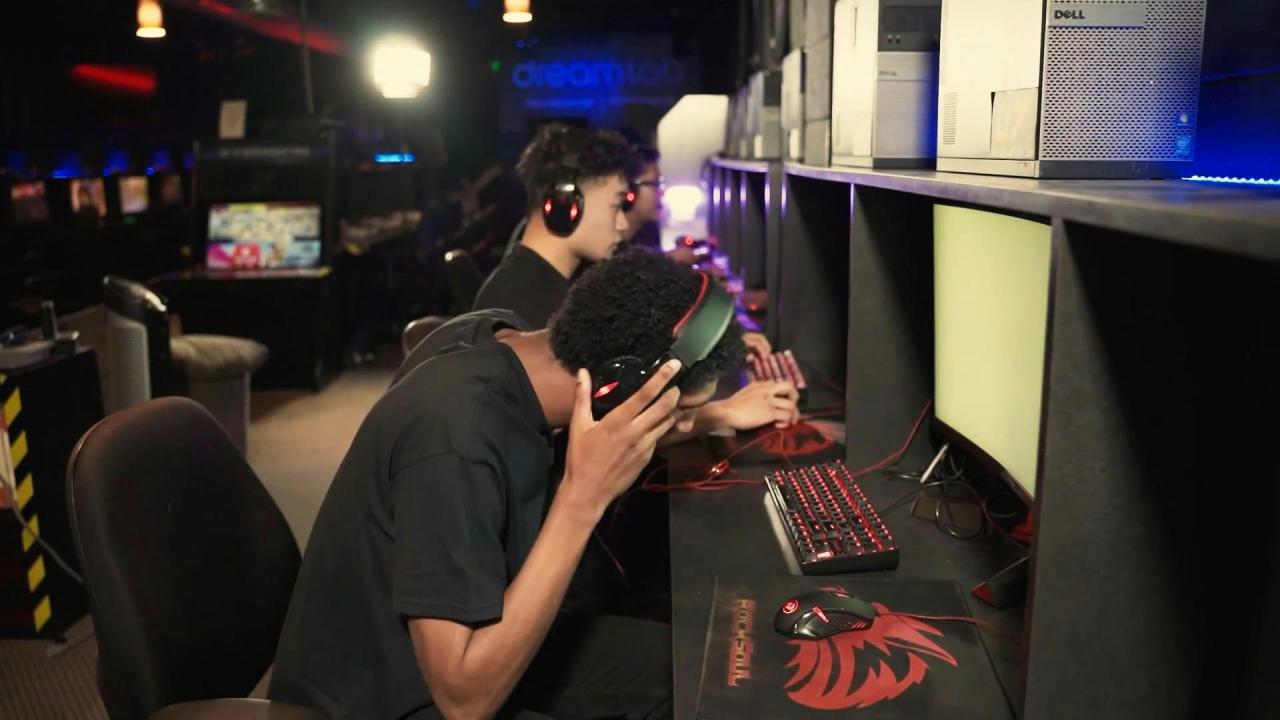
Sponsorship deals vary dramatically in scope, value, and integration complexity, depending on the brand’s industry origin.
A. Endemic Sponsorships: The Foundation
Endemic deals are the historic cornerstone of esports funding, providing essential infrastructure and equipment.
A. Hardware and Peripherals: These sponsorships involve companies providing hardware and peripherals (mice, keyboards, monitors, gaming chairs) to the team in exchange for product use, logo placement, and technical validation.
B. Technology Integration: The partnership often requires deep technology integration, where the team’s technical staff works directly with the sponsor to test and provide feedback on pre-release products, acting as a crucial $\text{R}\&\text{D}$ department.
C. Authenticity Validation: Endemic partners provide a baseline of authenticity validation. Seeing top pros use a specific mouse or chair validates the product’s quality in the eyes of the consumer, driving direct sales.
D. In-Kind Value: Often, a significant portion of the deal is delivered as in-kind value (free product) rather than direct cash, making the cash flow smaller but providing essential operational resources to the team.
B. Non-Endemic Sponsorships: The Growth Engine
Non-endemic deals represent the massive financial growth engine, providing the major cash injections that fund competitive salaries.
A. Financial Scale: Non-endemic deals operate on a dramatically larger financial scale, often involving multi-million dollar contracts that provide the liquidity necessary to run a modern franchised organization.
B. Targeted $\text{ROI}$ Metrics: These sponsors demand highly targeted $\text{ROI}$ metrics, often focusing on measurable outcomes like brand lift, social media engagement rates, or the conversion of unique coupon codes.
C. Global Campaigns: Non-endemic deals are frequently part of global marketing campaigns, integrating the esports team’s brand into existing multi-channel advertising efforts (television, digital video, print).
D. Building Credibility: For the non-endemic brand, the partnership is critical for building credibility with the youth market, using the team as a bridge to reach a demographic that actively avoids traditional corporate messaging.
Section 4: Maximizing Brand Value and Negotiation
Elite organizations utilize data, media expertise, and strategic positioning to maximize their perceived value during negotiations.
A. Data-Driven Valuation
The modern esports deal is a quantifiable transaction, driven by sophisticated data analysis that justifies the requested price point.
A. Impressions and Reach: Teams must provide granular data on impressions and reach, detailing the total number of times the sponsor’s logo was seen across all digital and physical channels during a specified period.
B. Average Concurrent Viewership ($\text{ACV}$): The key metric is Average Concurrent Viewership ($\text{ACV}$) for player streams and competitive matches, which directly correlates with the amount a sponsor is willing to pay per hour of exposure.
C. Engagement Rate Analysis: Sponsorship value is boosted by engagement rate analysis, proving that the team’s audience not only sees the sponsor but actively interacts with their branded content (e.g., likes, comments, shares).
D. Demographic Detail: Providing deep demographic detail (age, geographic location, other interests) allows the sponsor to precisely target their desired consumer, which justifies a higher fee than mass-market advertising.
B. Strategic Negotiation Techniques
Negotiation is a professional art, relying on leverage, structure, and the ability to articulate long-term vision.
A. Creating Scarcity: Organizations strategically limit the number of available partnership slots to create scarcity, which drives up the value of each remaining exclusive opportunity.
B. Tiered Package Structure: Instead of a single price, teams present a tiered package structure (e.g., Gold, Platinum, Diamond tiers) allowing sponsors to choose a level of investment that aligns with their marketing goals.
C. Multi-Year Commitment: Seeking a multi-year commitment stabilizes the organization’s finances and offers the sponsor the necessary time to build authentic credibility within the skeptical gaming community.
D. Exclusive Rights Premium: Charging a substantial premium for exclusive rights (category ownership, first-look at new content) maximizes the revenue derived from the most committed partners.
Section 5: The Future of Sponsorship and Fan Tokenization
The trajectory of esports sponsorship involves increased technological integration and a deeper financial relationship with the fanbase through digital assets.
A. Programmatic and Dynamic Sponsorship
The next wave of technological innovation will make sponsorship assets more flexible, automated, and personalized.
A. Dynamic Digital Placement: Technology will enable dynamic digital placement, allowing different sponsors to be featured in the same digital space (e.g., on a team’s practice jersey) depending on the viewer’s geographic location or demographic profile.
B. Programmatic Ad Buying: Sponsorship inventory will increasingly be sold through programmatic ad buyingplatforms, allowing brands to purchase targeted digital space in real-time based on fluctuating viewership metrics.
C. Audience Segmentation: Advanced audience segmentation will allow teams to charge premium rates for access to extremely niche, highly specific segments of their fanbase, appealing to micro-targeted brand campaigns.
D. Personalized Sponsorship: Future technology may even enable personalized sponsorship, where the logos displayed on a streamer’s overlay are dynamically tailored to the individual viewer’s browsing history or demographic data.
B. Fan Tokenization and Web3 Integration
Blockchain technology offers new ways to monetize fan loyalty and engagement, creating new forms of sponsorship inventory.
A. Fan Tokens and Ownership: Organizations are issuing fan tokens and fractional ownership $\text{NFTs}$. Sponsors can offer exclusive perks or content specifically to token holders, adding a layer of premium value to the partnership.
B. Token-Gated Access: Sponsorships can include token-gated access, where special content, $\text{VIP}$ events, or exclusive merchandise sales are only available to fans who hold a specific team $\text{NFT}$.
C. Decentralized Sponsorship: In the long term, decentralized autonomous organizations ($\text{DAOs}$) owned by fans might eventually be able to vote on or even fund smaller team sponsorships, creating a participatory revenue stream.
D. Loyalty Rewards Integration: Sponsors will integrate their own loyalty programs directly with the team’s digital assets, rewarding engaged fans with crypto tokens or exclusive digital collectibles, deepening the loyalty rewards integration.
Conclusion: Data, Authenticity, and ROI

The success of esports sponsorship lies in its ability to offer measurable $\text{ROI}$ through authentic engagement with a uniquely valuable digital audience. Sponsorship is now the dominant force driving the professional ecosystem’s financial growth.
The primary competitive advantage for esports teams is their ability to deliver a young, digitally native audience that is highly resistant to traditional advertising channels.
Successful non-endemic partnerships must prioritize authenticity and value-added content to gain credibility within the skeptical gaming community.
The highest-value assets sold are jersey real estate and customized, measurable digital overlay and stream brandingduring broadcasts.
Endemic sponsorships, based on hardware and peripherals, provide essential resources and authenticity validation to the fanbase.
Non-endemic deals, driven by their massive financial scale, are focused on achieving highly specific targeted $\text{ROI}$ metrics like brand lift and engagement rates.
Organizations utilize data-driven valuation by providing sponsors with granular statistics on Average Concurrent Viewership ($\text{ACV}$) and detailed audience demographics.
Strategic negotiations rely on creating scarcity through limited sponsorship slots and securing high-value, multi-year commitment contracts.
The future of revenue will involve sophisticated technology, enabling dynamic digital placement and the monetization of fan loyalty through fan tokens and $\text{NFTs}$.