


Introduction: Esports’ Leap to Traditional Business Models
The professional League of Legends Championship Series (LCS), North America’s premier esports league, underwent a dramatic and transformative shift in $2018$ when it adopted a franchise model. This move fundamentally changed the economic landscape of competitive League of Legends, moving away from the volatile system of annual relegation and promotion toward a structure mirroring traditional sports leagues like the $\text{NBA}$ or $\text{NFL}$. Under the old system, teams perpetually faced the risk of being dropped from the top tier, which discouraged long-term investment and created a constant state of instability for players, staff, and owners. The franchise model, however, introduced permanence, offering team ownership groups a guaranteed slot in the league, provided they meet certain financial and structural commitments. This structural change was designed specifically to attract established venture capital, media giants, and professional sports ownership groups, signaling esports’ maturation into a stable, recognizable business entity.
The adoption of permanence immediately stabilized the valuation of league slots. The cost to acquire one of the ten coveted LCS franchise spots was substantial, setting a new financial benchmark for investment in the esports industry. This initial buy-in cost was just the beginning; operating an LCS franchise requires a continuous, multi-million dollar annual commitment, far exceeding the operational costs of the previous era. Understanding the total investment involves analyzing the initial entry fee, the complex annual operating budget, the necessary infrastructure expenditures, and the valuation of the intangible assets like brand equity and audience loyalty.
The economic reality of running an LCS team today is one of massive scale and professional complexity. It involves intricate player contract negotiations, a full-time coaching and support staff, dedicated training facilities, and sophisticated marketing operations. This comprehensive analysis will dissect the layered costs associated with securing and maintaining an LCS franchise slot, examine the revenue streams designed to offset these astronomical expenses, and explore the long-term investment strategy that ownership groups employ to justify placing hundreds of millions of dollars into the volatile yet rapidly growing world of professional esports. The price of permanence is high, but the potential rewards are even higher.
Section 1: The Initial Financial Barrier (The Buy-In)
The first, most significant hurdle for any prospective owner is the non-refundable fee paid directly to Riot Games, securing the league spot.
A. The LCS Buy-In Fee Structure
The initial investment for an LCS slot was structured as a one-time fee, establishing the baseline cost for market entry.
A. Initial Investment ($2018$): The primary fee to acquire an LCS slot was initially set at $10$ million $\text{USD}$for existing North American League of Legends teams transitioning into the franchise model.
B. New Team Premium: For entirely new ownership groups entering the league without a prior competitive history, the price point was significantly higher, set at $13$ million $\text{USD}$. This premium reflected the added value of the established league’s stability.
C. The Purpose of the Fee: The collected funds were primarily allocated by Riot Games toward stabilizing the league’s economy, including boosting prize pools, increasing the Player Revenue Pool, and covering organizational costs.
D. Asset Valuation: The fee was effectively purchasing a permanent stake in the league, an asset whose value is tied to the league’s long-term health and media rights, acting as a financial barrier to entry that ensured serious investors.
B. Related Startup and Acquisition Costs
Beyond the fee to Riot Games, the new franchise must allocate significant capital for immediate operational requirements.
A. Acquiring a Roster: Unless purchasing an existing organization, a new team must invest substantial capital in acquiring a competitive roster, often involving significant buyouts of existing player contracts from rival teams.
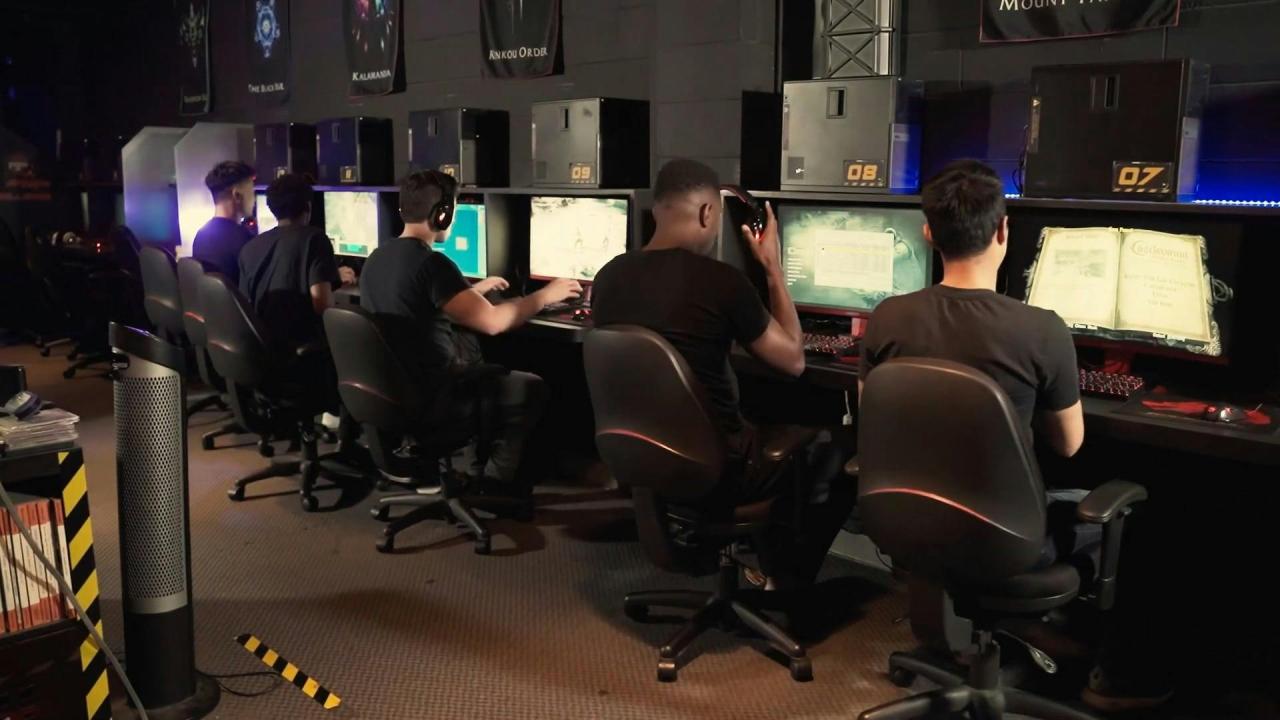
B. Establishing a Facility: Every team requires a professional, high-end training facility or “Team House”. This involves initial capital expenditure for real estate, state-of-the-art equipment, and ergonomic training setups.
C. Legal and HR Costs: Significant initial funds are required for legal and Human Resources ($\text{HR}$) costs, including drafting complex player and staff contracts, immigration support for international players, and establishing corporate governance.
D. Brand Development: Immediate spending is needed on brand development, including logo creation, merchandise design, digital content infrastructure, and building a public-facing image to attract fans and sponsors.
Section 2: The Astronomical Annual Operating Budget
The greatest financial drain on an LCS franchise is the mandatory and variable costs associated with daily operation.
A. Player and Staff Salaries
Salaries represent the single largest fixed annual expense, driven by mandatory minimums and the intense bidding for top talent.
A. Player Minimum Salary: The LCS enforces a player minimum salary, which ensures a baseline level of financial security for every athlete, regardless of experience or skill tier. This floor increases the total fixed payroll cost for all teams.
B. Talent Arms Race: Teams engage in a constant talent arms race, paying premium, multi-million dollar contracts to star players (the “Superstars”) to secure their services and prevent them from moving to rivals.
C. Coaching and Support Staff: A modern team must employ a large, highly compensated coaching and support staff, including a Head Coach, multiple Assistant Coaches, Analysts, and a Mental Performance Coach.
D. Academy and Amateur Roster: Franchise agreements mandate investment in a developmental Academy or Amateur Roster. This ensures a talent pipeline but adds a significant layer of additional payroll cost to the annual budget.
B. Operational and Logistical Expenses
The daily running of a high-performance organization incurs major recurring costs far beyond salaries.
A. Housing and Utilities: Maintaining a professional team house or multiple apartments near the training facility, including rent, utilities, and high-speed internet infrastructure, is a significant recurring cost.
B. Food and Wellness: Teams often employ a dedicated chef or catering service to manage nutrition and food costs, recognizing that optimized diet is crucial for cognitive performance.
C. Travel and Accommodation: Despite the centralized nature of the LCS studio, annual expenses for domestic and international travel (bootcamps, tournaments, media events) remain substantial.
D. Facility Maintenance: Upgrading and maintaining the training facility’s high-tech equipment, including state-of-the-art PCs, networking hardware, and specialized ergonomic furniture, requires constant capital outlay.
Section 3: Revenue Streams and Financial Sustainability

To offset the high costs of operation, LCS franchises rely on a diversified portfolio of revenue streams, much like traditional sports entities.
A. Core League Revenue Sharing
Riot Games provides guaranteed revenue streams to its franchise partners, contributing to financial stability.
A. Media Rights: A significant portion of revenue comes from media rights sharing—the team’s slice of the money Riot earns from broadcast deals with platforms like $\text{Twitch}$ and $\text{YouTube}$ for airing LCS matches.
B. League Sponsorships: Teams benefit from the central league sponsorships. Major brands pay Riot Games to be official partners of the LCS, and a portion of that revenue is distributed among the ten franchises.
C. Merchandise Sales (Centralized): Revenue from centralized merchandise sales (jerseys, team apparel) sold through official LCS channels is shared, providing a stable, though not dominant, income source.
D. Player Revenue Pool: Riot Games commits a percentage of central revenue to a Player Revenue Pool, which is distributed to the teams to help offset player salaries, aligning player and league interests.
B. Team-Specific Monetization Efforts
The majority of profit potential comes from the organization’s ability to independently monetize its brand and fan base.
A. Sponsorship and Endorsements: The largest variable revenue source is team sponsorship and endorsements. These are deals negotiated directly between the organization and external brands (e.g., tech, automotive, beverage).
B. Streaming and Content Creation: Teams heavily invest in content creation and streaming. Revenue is generated through advertising, platform subscriptions, and direct fan support from players’ individual streams and team-produced content.
C. Ticket and Event Sales: Income from ticket and event sales for local tournaments, fan meet-and-greets, and team-specific events provides a direct connection to the local fan base and supplementary revenue.
D. Intellectual Property ($\text{IP}$) Licensing: Advanced organizations monetize their Intellectual Property ($\text{IP}$) licensing, creating secondary revenue streams through team-branded products, collaborations, and licensing deals outside of general merchandise.
Section 4: The Investment Thesis and Valuation
Owners are not just running a team; they are making a strategic investment, betting on the long-term growth and eventual sale price of their league slot.
A. Long-Term Growth Strategy
The financial justification for the high cost lies in the expectation of massive, sustained growth in esports viewership and monetization.
A. Audience Acquisition: The primary long-term goal is audience acquisition. Franchises are valued based on the size, loyalty, and engagement of their fan base, which dictates future media and sponsorship valuations.
B. Asset Appreciation: The core thesis relies on asset appreciation. Owners anticipate that the value of the permanent LCS slot will appreciate significantly over time, making the initial buy-in look cheap in the long run.
C. Media Convergence: The investment is a bet on media convergence, where esports viewership eventually rivals that of traditional sports, justifying exponentially higher media rights deals in the future.
D. Synergies with Traditional Sports: Many owners use their LCS slot to create synergies with traditional sports teams they already own (e.g., cross-promotion, shared facilities, leveraging existing sales networks), justifying the high cost.
B. Valuation Metrics
The value of an LCS franchise is calculated using a mix of traditional business metrics and unique esports indicators.
A. Revenue Multiples: Valuation relies partly on revenue multiples—comparing the team’s annual revenue to similar organizations, though this is often volatile due to the newness of the model.
B. Brand Equity: The intangible value of brand equity—the global recognition, competitive history, and fan affinity—is a major factor in determining the potential sale price of the organization.
C. Viewer Hours: A key metric unique to esports is viewer hours—the total time fans spend watching the team’s competitive matches and content. Higher viewer hours correlate directly with higher sponsorship value.
D. Exit Strategy: The ultimate financial success for many owners lies in their exit strategy—selling their permanent LCS slot, potentially as part of a larger organization sale, for a massive capital gain far exceeding the initial investment.
Section 5: The Challenge of Profitability and Future Outlook
Despite massive investment and high valuations, achieving consistent, self-sustaining annual profitability remains a significant hurdle for many LCS teams.
A. The Challenge of Cost Overruns
The pressure to win and the difficulty of controlling the competitive arms race often lead to operating deficits.
A. Salary Inflation: The intensely competitive market causes salary inflation. Teams often overpay for top talent in bidding wars, driving operating costs unsustainably high relative to current revenue caps.
B. Marketing Expenditure: The need to cut through a saturated digital market necessitates aggressive, high-cost marketing expenditure to maintain fan engagement and attract new sponsors.
C. Debt and Investment Cycles: Many organizations operate with significant debt, funded by venture capital, with the expectation that profitability will only materialize several years down the line, requiring continuous investment.
D. Competitive Deficits: Losing can be financially crippling. Poor competitive performance leads to lower viewership, fewer sponsor opportunities, and reduced revenue from prize pools, exacerbating the competitive deficits.
B. The Future Financial Outlook
The long-term health of the LCS franchise model depends on a few critical developments in the broader media landscape.
A. Centralized Revenue Growth: The model requires exponential growth in centralized media rights and sponsorship deals secured by Riot Games to increase the revenue pool shared with teams.
B. Global Expansion: Franchises are looking toward global expansion, leveraging their brand to enter new regional leagues or competitive titles to diversify risk and tap into broader international fan bases.
C. Controlled Spending: There is pressure from ownership groups for greater controlled spending on salaries, potentially through softer salary caps or more robust cost-sharing mechanisms across the league.
D. Sustainability Goal: The ultimate sustainability goal is to reach a point where annual team revenue consistently exceeds annual operating expenditure, confirming the long-term financial viability of the franchised model.
Conclusion: The Business of Competitive Gaming
The LCS franchise model represents the culmination of esports’ journey toward recognizing itself as a stable, high-value entertainment and media property. The financial commitment required to own a slot is staggering.
The initial investment for an LCS slot was set at $10$ to $13$ million $\text{USD}$, serving as a massive financial barrier to entry.
The largest single annual expense for franchises is the aggressive salary expenditure dedicated to securing star players and an elite coaching staff.
Teams rely on a diverse revenue portfolio, with the most significant variable income derived from independently negotiated sponsorship and endorsement deals.
A critical revenue source shared by the league is the distribution of funds earned from central media rights and shared league sponsorships.
The core financial justification for the high investment is the expected asset appreciation of the permanent league slot over the long term.
Franchise valuations are heavily influenced by unique esports metrics like viewer hours and the intangible value of global brand equity.
Despite the immense investment, many organizations face the immediate challenge of salary inflation and high operating costs, leading to current operating deficits.
The long-term sustainability of the model hinges on the ability of the league to secure exponentially higher centralized media rights deals in the future.