
The Critical Role of Audio in Competitive Gaming
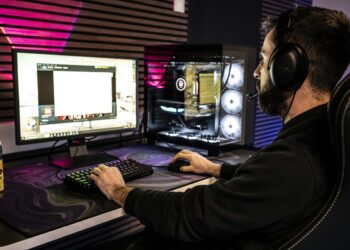
In the high-stakes arena of competitive digital warfare, every single advantage matters, and the tools you use can dramatically shift the outcome of a match. While visual performance—the crispness of the graphics and the speed of the frame rate—often dominates the conversation, the role of high-fidelity audio is arguably just as pivotal, especially in genres like tactical shooters, battle royales, and immersive role-playing games.
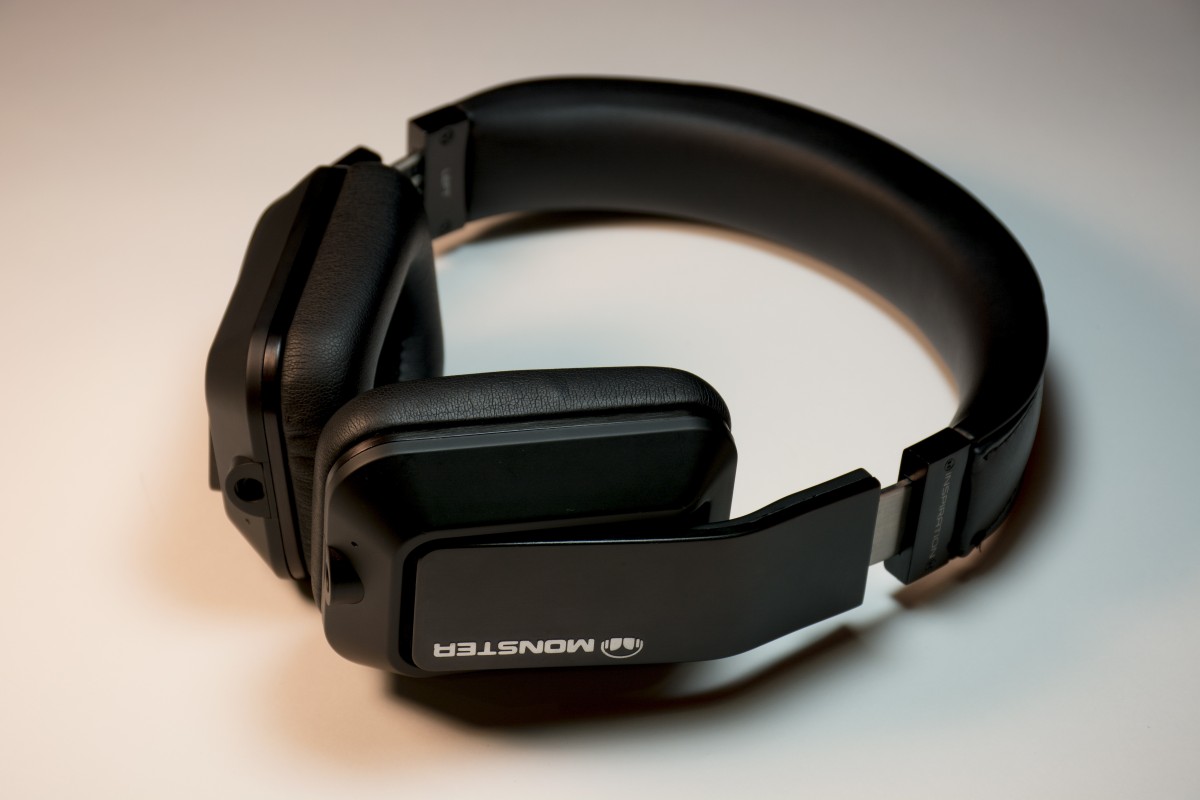
A quality gaming headset transcends being a mere accessory; it transforms into a crucial piece of tactical gear, providing information that the eyes simply cannot capture. It’s the difference between hearing a faint, distant enemy step and being completely oblivious until you are staring down the barrel of their weapon. Understanding the nuances of positional audio, clarity, and communication is essential for any player looking to elevate their game from casual enjoyment to serious competition. Good audio provides spatial awareness, allowing players to map the environment and track opponents, turning passive listening into active intelligence gathering.
Beyond Mere Listening: The Headset as an Intelligence Tool
A dedicated gaming headset is engineered differently from standard headphones. They are specifically designed to prioritize features that directly impact gameplay, focusing heavily on accurate soundstaging and crystal-clear communication. These two elements are non-negotiable for anyone serious about winning. Standard headphones might deliver music beautifully, but they often lack the precision required to pinpoint a grenade bounce or a silent crouch walk 15 meters away. The headset’s ability to correctly translate virtual 3D sound into actionable directional cues is the key factor that determines a player’s awareness and reaction time, often making it the silent hero in clutch, match-winning moments.
A. Positional Audio and Soundstaging
Positional audio, sometimes called soundstaging, is the most crucial feature for competitive play. This technology allows the headset to accurately recreate the game’s audio environment, letting you perceive sounds not just as ‘left’ or ‘right,’ but as coming from above, below, in front of, or behind you. Whether it’s virtual surround sound (like 7.1 or specialized proprietary technologies) or highly tuned stereo drivers, the goal is the same: providing an auditory map of your surroundings.
-
This spatial accuracy lets you pre-aim corners before the enemy appears.
-
The difference between “hearing a shot” and “knowing the shot came from the third floor window, northwest of your position” is immense.
-
The best headsets minimize mixing errors, ensuring that sounds don’t feel “flat” or non-directional.
B. Driver Quality and Frequency Response
The drivers are the small loudspeakers inside the earcups that produce the sound. Their quality, size, and material dictate the overall fidelity and clarity of the audio. Gaming headsets are typically tuned with a specific frequency response—meaning certain sound ranges (low, mid, high) are emphasized—to make crucial game cues, like footsteps (often mid-high frequencies), stand out.
-
Larger drivers (e.g., $50 \text{mm}$) generally move more air and can deliver a richer sound profile, especially in the bass (low frequency).
-
A crisp high-frequency response ensures that important sounds like reloading clicks or breaking glass are distinct and easily identifiable.
-
A flat or neutral response is often preferred by audiophiles, but a slight gaming-specific tuning helps boost critical sound cues.
C. Communication: The Microphone Quality
Winning is rarely a solo endeavor; it requires seamless team communication. The microphone, or mic, is the voice connection to your team, and its clarity is paramount. A good gaming mic features noise cancellation to filter out keyboard clatter, mouse clicks, and background chatter (like fans or roommates), ensuring your commands are heard clearly.
-
Look for microphones that offer high-quality voice pickup and minimal distortion.
-
Features like a flip-to-mute function or a clear LED indicator for muting are essential for practical use during intense gameplay.
-
Many professional headsets use directional or unidirectional mics, which are optimized to only pick up sound coming from the user’s mouth.
Design and Comfort: Wearing Your Advantage
Even the best-sounding headset is useless if it causes pain after an hour of play. Comfort and design are deeply interconnected with performance, especially for marathon gaming sessions common in competitive play or streaming. A well-designed headset ensures it stays securely and comfortably in place, allowing the player to remain focused solely on the game.
D. Ear Cup Material and Clamping Force
The material covering the ear cups—typically velour, leatherette (PU leather), or breathable mesh—affects both comfort and sound isolation. Similarly, the clamping force, or how tightly the headset squeezes the head, determines both stability and long-term comfort.
-
Velour is highly breathable and great for long sessions, but offers less passive noise isolation.
-
Leatherette offers excellent sound isolation and deep bass but can lead to heat build-up around the ears.
-
A balanced clamping force is necessary to keep the headset secure during quick movements without causing temple or jaw strain.
E. Weight and Headband Design
The overall weight of the headset is a significant factor. Heavy headsets can become tiring quickly, placing strain on the neck. Headband design plays a role here, too, as it distributes the weight across the top of the head. Features like floating headbands or padded suspension systems are designed specifically for weight management and user adaptation.
-
Lighter headsets often utilize durable plastics and aluminum, prioritizing long-haul comfort.
-
A well-padded or self-adjusting headband prevents pressure points on the skull.
-
Some premium headsets use lightweight materials like carbon fiber to maximize durability while minimizing weight.
F. Connectivity: Wired vs. Wireless
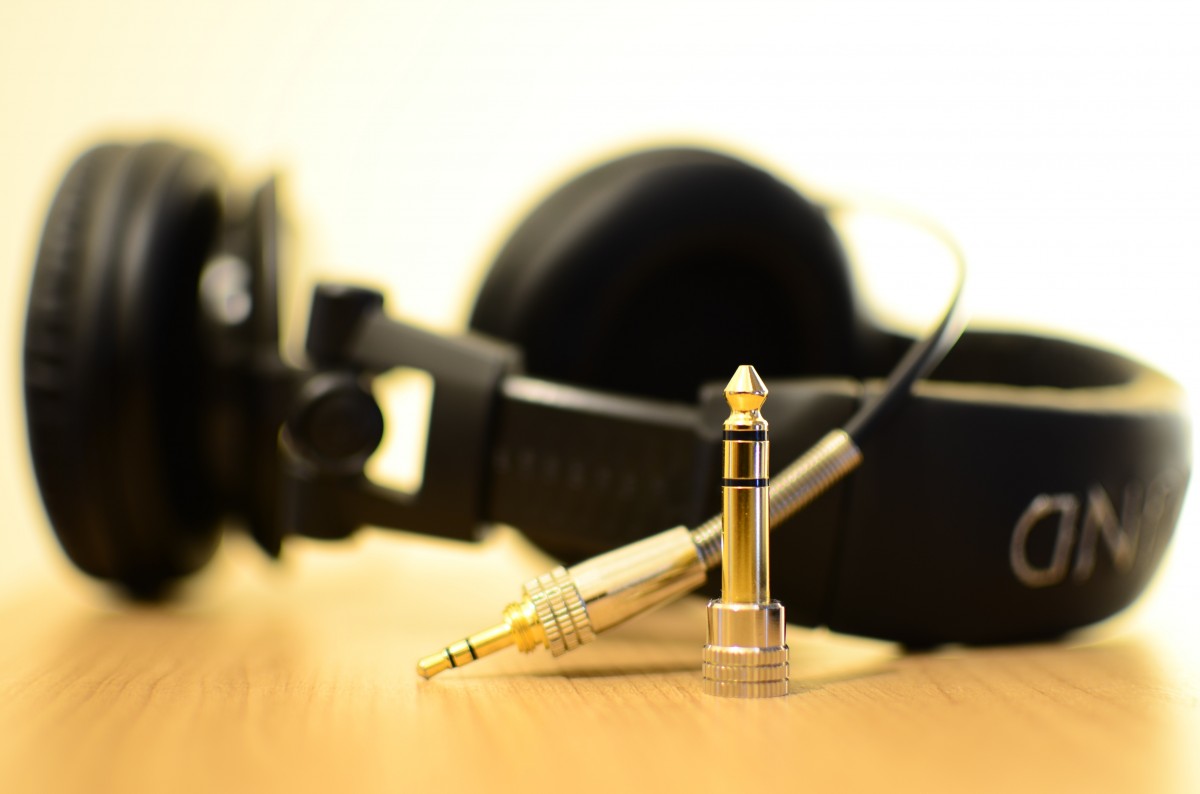
The connection type introduces a trade-off between absolute reliability and freedom of movement. Wired connections offer zero latency (delay), consistent quality, and no battery concerns, making them the default choice for the highest level of competitive play. Wireless headsets, using radio frequency (RF) or low-latency Bluetooth, offer unparalleled freedom, but battery life and the potential for rare interference are always present concerns.
-
Wired connections are the gold standard for latency-free audio transmission.
-
High-end wireless headsets often use a dedicated USB dongle to ensure a low-latency, proprietary connection superior to standard Bluetooth.
-
The convenience of wireless headsets is highly valued by casual and semi-competitive gamers who prioritize clutter-free setups.
Technical Deep Dive: Getting the Edge
To truly maximize the competitive advantage a headset offers, one must delve into the technical settings and features that enhance the audio experience. These are the fine-tuning elements that elevate a good headset to an exceptional one.
G. Open-Back vs. Closed-Back Design
This fundamental design choice impacts the sound quality, spatial feel, and noise isolation. Closed-back headsets completely seal the ear, trapping the sound inside and preventing outside noise from entering. This is ideal for noisy environments and competitive play where focusing is key. Open-back headsets have perforated earcups, allowing air and sound to pass through.
-
Closed-back: Provides excellent isolation, which is crucial for hearing quiet in-game cues in a distracting environment.
-
Open-back: Offers a wider, more natural soundstage, often feeling less “clamped” and more like the sound is coming from the room.
-
For pure competitive focus in loud settings, closed-back is usually preferred due to its superior noise isolation.
H. Impedance and Amplifier Needs
Impedance, measured in Ohms ($\Omega$), is the electrical resistance of the headphone driver. Headsets with low impedance (typically under $50 \Omega$) can be easily driven by standard PC audio jacks and controllers. High impedance headsets (over $100 \Omega$) often require a dedicated external DAC (Digital-to-Analog Converter) and Amplifier to reach their full volume and audio potential.
-
A high-quality DAC/Amp bypasses the PC’s often noisy, low-quality internal sound card.
-
The amplifier provides the necessary power for high-impedance drivers to produce clean, detailed sound without distortion.
-
Serious audiophile-gamers often utilize this external hardware setup for the best possible audio clarity and loudness.
I. Software Equalization (EQ)
The sound profile of a headset can be customized significantly using software equalization (EQ). This allows the user to boost or cut specific frequency bands to highlight sounds most important to their game. For instance, in an FPS game, a player might slightly boost the mid-high frequencies where footsteps often reside, while slightly cutting some of the deep bass that explosive sounds occupy.
-
Careful EQ adjustment can turn normally subtle sound cues into clear, immediate warnings.
-
Many gaming headset manufacturers provide proprietary software with pre-set EQ profiles for popular game genres.
-
Customizing the EQ is a form of advanced tuning that gives a personalized advantage based on the user’s hearing and specific game demands.
J. Multi-Platform Compatibility
While a headset might sound amazing on a PC, ensuring it works flawlessly across multiple platforms (consoles like PlayStation or Xbox, mobile devices) adds immense value. Compatibility often comes down to the connector type (USB, $3.5 \text{mm}$ jack, or proprietary wireless dongles) and the specific audio protocols supported by the different systems.
-
A versatile headset can transition smoothly from a competitive PC session to a casual console match.
-
The $3.5 \text{mm}$ jack is the most universally compatible connector across all platforms.
-
Dedicated wireless headsets for consoles must use official licenses or specific wireless technology to function fully.
The Ultimate Headset Investment
Choosing a gaming headset is an investment that directly affects performance, comfort, and longevity. It is crucial to look beyond marketing hype and focus on the technical specifications that actually translate into tactical superiority. By prioritizing features like accurate positional audio, clear mic transmission, and long-term wearing comfort, a gamer ensures that they are equipped with an intelligence tool that consistently provides real-time, actionable data. A great headset doesn’t just immerse you; it informs you, warns you, and ultimately, helps you execute the perfect, winning play. The subtlety of sound in games is often the last piece of the performance puzzle, and only a high-quality, purpose-built headset can fully unlock that potential.
Conclusion: The Unseen Advantage

A high-quality gaming headset provides an unparalleled competitive edge that simply cannot be replicated by basic audio solutions. Its primary function is to transform complex environmental sounds into precise, directional intelligence for the player. The technology of positional audio allows gamers to accurately pinpoint enemies and track movement across vast virtual distances. Clear communication through a noise-canceling microphone is essential for effective team strategy and coordination.
Furthermore, a comfortable, lightweight design ensures focus remains sharp throughout long, intense gaming sessions without physical discomfort. The technical considerations of driver quality and proper equalization further refine the auditory experience to highlight critical in-game cues. Investing time and resources into selecting the right headset is truly an investment in better performance and higher victory rates.