
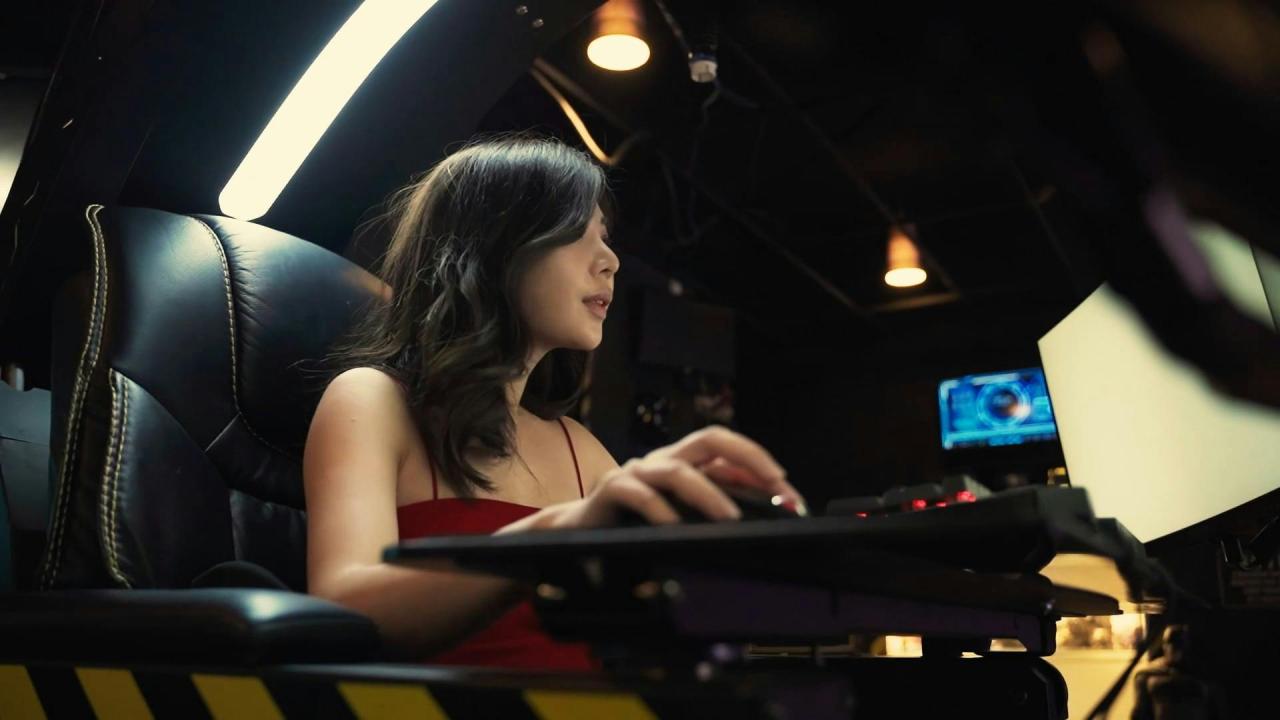
Introduction: The Convergence of Digital and Athletic Excellence
The question of whether esports—competitive video gaming—belongs on the grand, hallowed stage of the Olympic Games is one of the most polarizing and compelling debates in the modern sports and entertainment landscape. For proponents, the inclusion of elite digital competition is seen as a necessary evolution, a recognition that the rigorous demands placed on professional gamers—unparalleled hand-eye coordination, lightning-fast cognitive processing, complex strategic mastery, and immense mental fortitude—are undeniably forms of high-level athletic skill. They argue that if sports like chess or curling, which emphasize mental skill and strategic precision, hold a place, then the high-speed, demanding, and globally televised spectacle of competitive gaming deserves its spot as well. The sheer global viewership and cultural relevance of esports, which reaches hundreds of millions of young, digitally native fans that the Olympic movement desperately seeks to connect with, make the potential partnership a compelling economic and cultural proposition for the International Olympic Committee ($\text{IOC}$).
However, the path to Olympic inclusion is fraught with ideological resistance, definitional challenges, and significant logistical hurdles. Traditionalists often struggle to reconcile the sedentary nature of competitive gaming with the Olympic ideal of physical exertion, viewing it purely as an entertainment medium rather than a bona fide sport. Furthermore, the commercial model of esports, which is heavily reliant on proprietary games owned by private publishers (like Riot Games or Valve), clashes directly with the $\text{IOC}$‘s ethos of non-proprietary, universal competition where the rules are static and not subject to commercial updates. Despite these complexities, the gravitational pull between the global reach of the Olympics and the cultural dominance of esports continues to intensify, pushing both entities toward finding common ground.
The strategic efforts undertaken by the $\text{IOC}$ and various international sports federations to host esports events, such as the Olympic Esports Series, demonstrate a clear intent to engage with this massive ecosystem. This comprehensive analysis will dissect the criteria required for Olympic recognition, examine the philosophical and logistical hurdles that remain, explore the potential economic and cultural impact of inclusion, and detail the strategic steps currently being taken by both gaming publishers and Olympic organizers to eventually merge the world’s most ancient sporting tradition with its newest digital spectacle.
Section 1: Olympic Criteria and Esports Suitability
The International Olympic Committee ($\text{IOC}$) maintains stringent criteria for any activity seeking the coveted designation of an Olympic sport, and esports must address each point directly.
A. The Definition of a Sport
The primary philosophical hurdle is whether competitive gaming can be classified under the $\text{IOC}$‘s definition of a sport.
A. Physicality Argument: The $\text{IOC}$ traditionally emphasizes physicality. Proponents counter by focusing on the intense neuro-muscular demand of esports, highlighting the rapid, precise hand movements and sustained cognitive strain as a form of athletic exertion.
B. Competitive Structure: Esports fully meets the requirement for a competitive structure. It has global leagues, standardized rules, governing bodies (like the Global Esports Federation), and verifiable competitive results that are consistent and transparent.
C. Universality of Practice: For a sport to be recognized, it must have universality of practice, meaning it must be played globally. Elite esports titles easily pass this test, with professional leagues spanning every continent.
D. Performance-Based Metrics: Esports operates on strictly performance-based metrics. Victory is achieved through measurable, objective skill, eliminating any subjective judging, which aligns perfectly with $\text{IOC}$ standards.
B. The Role of Governing Bodies
Olympic recognition requires a singular, non-commercial international federation to oversee the sport, a challenge given the commercial nature of gaming.
A. International Federation Requirement: The $\text{IOC}$ demands a single, unified International Federation that adheres to the Olympic Charter and World Anti-Doping Agency ($\text{WADA}$) code.
B. The Publisher Conflict: Currently, governance is heavily influenced by the publisher conflict. Game rules and competitive structures are ultimately controlled by private companies (e.g., Nintendo, Activision-Blizzard), not a democratic, independent sports body.
C. The GEF and $\text{IESF}$: Organizations like the Global Esports Federation ($\text{GEF}$) and the International Esports Federation ($\text{IESF}$) are working to establish the necessary independent governance structures to satisfy the $\text{IOC}$‘s requirements.
D. $\text{WADA}$ Compliance: Full $\text{WADA}$ compliance—including mandatory drug testing protocols—must be implemented across all top-tier esports leagues globally, a step that is still inconsistently applied.
Section 2: Logistical and Commercial Hurdles
Even if the philosophical debate is resolved, significant logistical and commercial complexities hinder immediate inclusion in the Games.
A. Game Selection and Stability
The nature of commercial video games clashes directly with the $\text{IOC}$‘s need for stable, non-proprietary competition.
A. Proprietary $\text{IP}$ Issue: The central issue is the proprietary Intellectual Property ($\text{IP}$) issue. The $\text{IOC}$ cannot allow the core “field of play” (the game itself) to be owned and unilaterally changed by a private corporation.
B. The Update Cycle: Video games exist on an constant update cycle, where rules (game balance, maps, characters) can be changed weekly. The $\text{IOC}$ requires stability and consistent rules for fair, long-term athletic preparation.
C. Selecting a Title: The difficulty of selecting a title is immense. Choosing one game (e.g., Dota 2) risks alienating the massive fanbases of other top-tier titles (e.g., League of Legends, CS2).
D. Non-Violent Content Mandate: The $\text{IOC}$ has expressed a mandate for non-violent content, explicitly rejecting games that glorify violence. This immediately disqualifies the majority of the most popular competitive First-Person Shooter ($\text{FPS}$) and Battle Royale titles.
B. Financial and Revenue Distribution
The established financial models of both the $\text{IOC}$ and esports organizations require careful negotiation for shared revenue.
A. Sponsorship Conflict: An Olympic esports event would create significant sponsorship conflict. The $\text{IOC}$has exclusive sponsorship categories that would clash with the existing endemic deals held by esports teams and leagues.
B. Revenue Sharing Model: A clear revenue sharing model must be established to divide broadcast rights, ticket sales, and licensing fees among the $\text{IOC}$, the organizing committee, and the game publishers.
C. Publisher Licensing Fees: Publishers would demand substantial licensing fees from the $\text{IOC}$ for the use of their Intellectual Property, a financial layer that does not exist in traditional Olympic sports.
D. Athlete Compensation: The method for athlete compensation (prize pools vs. stipends) would need to align with Olympic standards, moving away from the large, winner-take-all prize pool structure common in esports.
Section 3: The Strategic Path to Olympic Integration
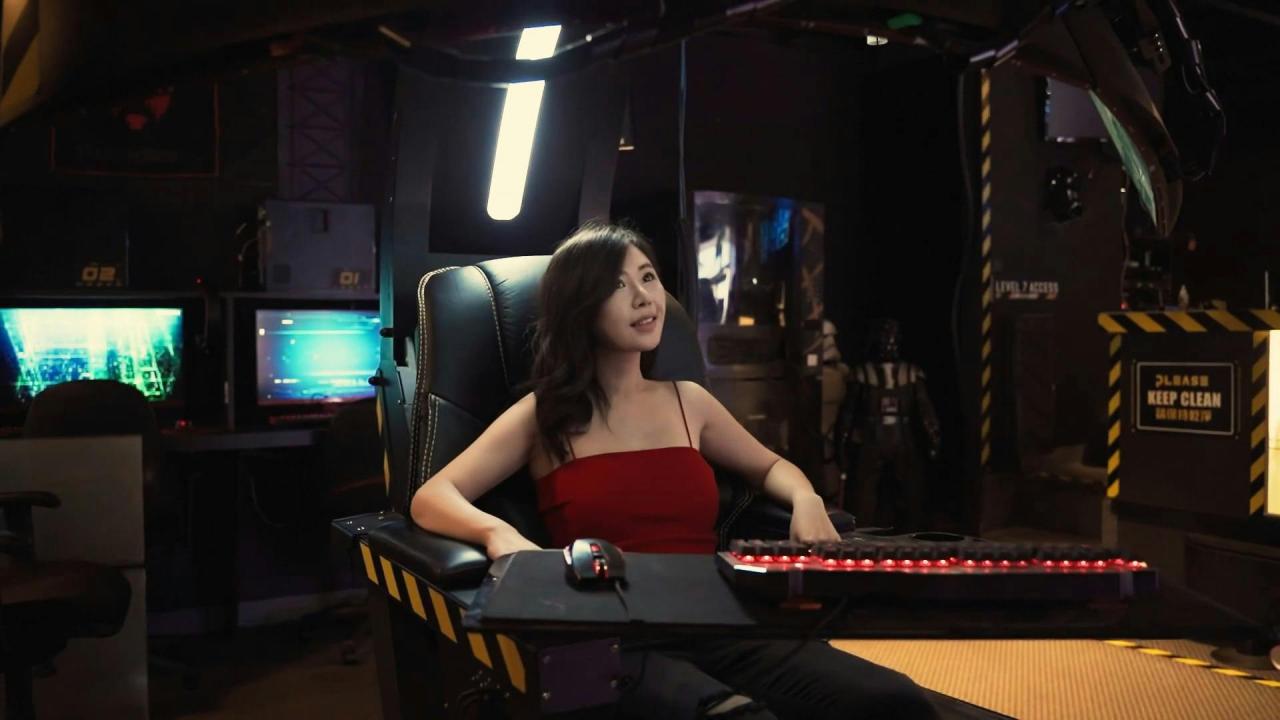
The $\text{IOC}$ and the global esports community are engaging in strategic, measured steps to test the waters of integration.
A. The Olympic Esports Series
The creation of $\text{IOC}$-branded events is a crucial testing ground for logistics and fan engagement.
A. Proof-of-Concept: The Olympic Esports Series serves as a proof-of-concept, demonstrating that $\text{IOC}$-sanctioned events can attract high viewership, manage diverse digital competitions, and operate within the Olympic framework.
B. Hybrid Event Model: These events currently utilize a hybrid event model, blending physical sports (e.g., cycling, sailing) played through virtual simulations with established non-violent digital titles.
C. Attracting Gen $\text{Z}$: The primary goal is attracting Generation Z, leveraging the immense cultural cachet of gaming to draw a younger global audience back toward the Olympic brand.
D. Learning Logistical Operations: The $\text{IOC}$ uses these events for learning logistical operations, gaining experience in broadcast production, managing online qualifiers, and ensuring competitive integrity in the digital sphere.
B. Developing “Olympic-Friendly” Games
Game developers, recognizing the potential prestige, may be incentivized to create titles that meet $\text{IOC}$standards.
A. Purpose-Built Titles: The most likely path is the development of purpose-built titles—games designed from the outset to be non-proprietary, feature non-violent content, and adhere to a stable, $\text{IOC}$-approved ruleset.
B. Simulation Sports Focus: The initial focus is on simulation sports, utilizing virtual reality or simulation platforms for traditional sports like racing, rowing, or baseball, making the digital competition an extension of the physical one.
C. Open Source Alternatives: The esports community may develop open source alternatives—non-proprietary games with stable rulesets that can be governed by an independent federation, solving the $\text{IP}$ issue.
D. Educational and Health Games: The $\text{IOC}$ could potentially embrace educational and health games that promote exercise, mental agility, or wellness, aligning with the Olympic movement’s broader social goals.
Section 4: The Cultural and Economic Impact of Inclusion
Full Olympic recognition would trigger massive, global shifts in how both the esports industry and traditional sports are perceived.
A. Cultural Legitimacy and Athlete Status
Olympic inclusion would solidify esports’ status as a legitimate competitive endeavor globally.
A. Government Recognition: Olympic status would likely lead to widespread government recognition of esports as a sport, unlocking national funding, scholarships, and visas for professional players.
B. Ending the Stigma: The highest honor in sports would drastically help in ending the stigma surrounding gaming, validating the intense dedication and skill required to compete at an elite level.
C. National Pride: Competing under the national flag in the Olympics would allow professional gamers to generate national pride, connecting their digital victories to the traditional fervor of international sporting success.
D. Elevated Athlete Status: Esports competitors would achieve elevated athlete status in the eyes of the global media and public, granting them the recognition and prestige currently reserved for physical sports stars.
B. Economic and Financial Upside
The synergy between the two global giants promises unprecedented financial growth for the esports industry.
A. Massive Media Exposure: Esports would gain massive media exposure through traditional broadcast partners (NBC, $\text{BBC}$, etc.) that currently ignore the scene, introducing the sport to hundreds of millions of new, older viewers.
B. New Corporate Investment: The Olympic seal of approval would trigger a new wave of new corporate investmentfrom risk-averse, blue-chip brands that only partner with $\text{IOC}$-sanctioned events, further stabilizing the industry.
C. Infrastructure Funding: Governments would be incentivized to provide infrastructure funding for training centers and competitive venues, mirroring the support provided to traditional Olympic disciplines.
D. Talent Pipeline Growth: The increased legitimacy and financial stability would dramatically improve the global talent pipeline, encouraging more young people and their parents to view esports as a viable career path.
Section 5: The Role of the Esports Athlete
The players themselves are at the heart of this debate, and their professionalism is key to securing Olympic legitimacy.
A. Adherence to Athletic Standards
Esports athletes must continue to elevate their professionalism to meet the standards expected of Olympians.
A. Rigorous Training Regimens: Professional teams must maintain rigorous training regimens that integrate physical fitness, nutrition, and mental performance coaching, moving away from the stereotype of the sedentary gamer.
B. Media Conduct and Professionalism: Athletes must demonstrate consistent media conduct and professionalism, representing their nation and the Olympic spirit with integrity in public and private life.
C. Anti-Doping Compliance: Full, unambiguous anti-doping compliance must be accepted and enforced by players, ensuring a level competitive playing field free from performance-enhancing drugs.
D. Focus on Mental Fortitude: The emphasis must be placed on the mental fortitude required—stress management, communication, and strategic thinking—highlighting the true athletic skill required in the absence of obvious physical exertion.
B. The Player’s Voice in Governance
The players’ unions and associations must play a pivotal role in shaping the Olympic future.
A. Advocacy for Fair Representation: Player organizations need to advocate for fair representation within the independent governing bodies ($\text{GEF}$, $\text{IESF}$) to ensure their interests are protected during $\text{IOC}$negotiations.
B. Input on Game Selection: The players must have meaningful input on game selection, ensuring that any title chosen for Olympic representation is competitively balanced, skill-intensive, and respected within the community.
C. Preserving Player Rights: Unions must focus on preserving player rights concerning image usage, revenue sharing, and contracts, ensuring they are not exploited during the massive commercialization of the Olympic Games.
D. Championing Integrity: Players are the ultimate guarantors of competitive integrity. Their commitment to fair play and ethical competition is essential to earning and maintaining the trust of the $\text{IOC}$ and the global audience.
Conclusion: An Eventual and Inevitable Union
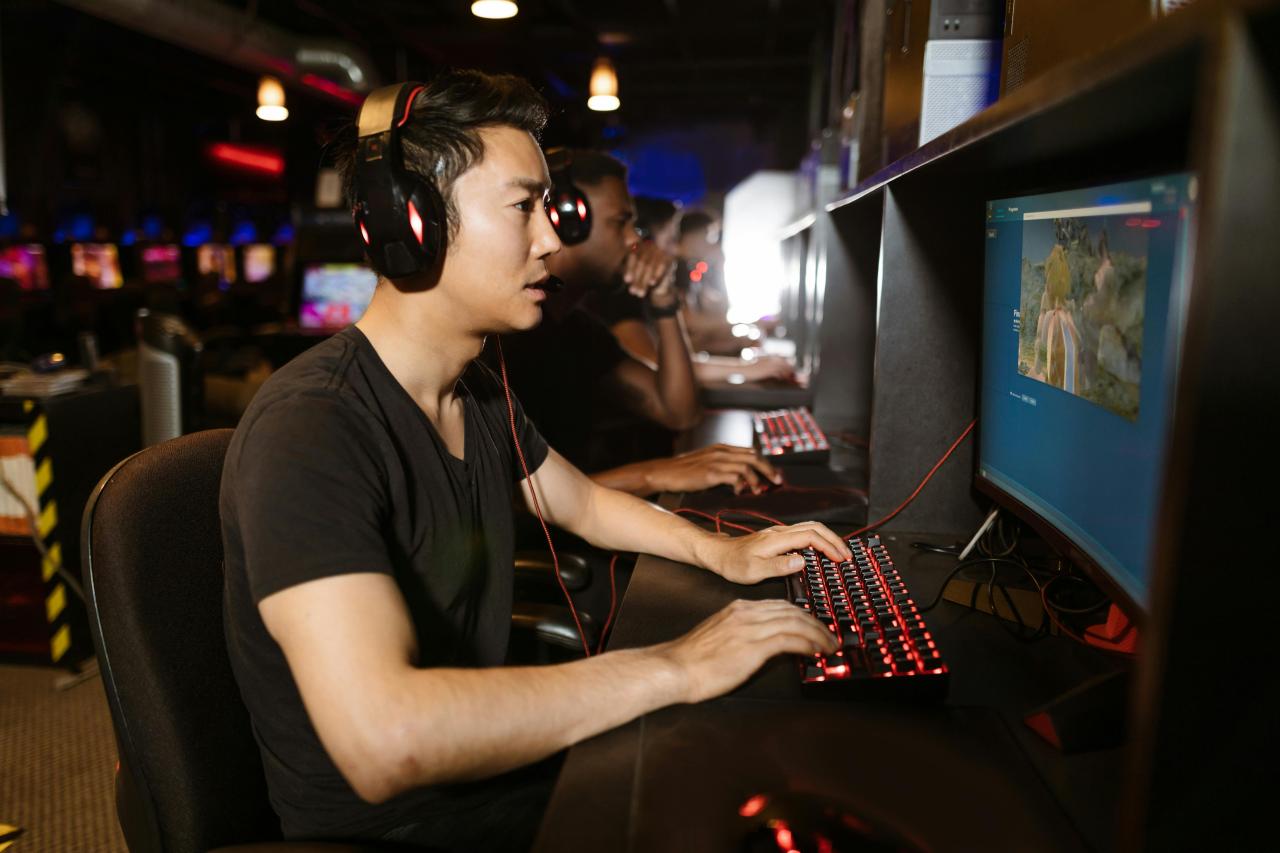
The journey of esports to the Olympic stage is less about a single decision and more about a slow, inevitable convergence driven by cultural relevance and economic imperative. The current obstacles are significant.
The primary hurdle remains the proprietary Intellectual Property ($\text{IP}$) issue, where games are owned by private corporations, contradicting the $\text{IOC}$’s non-proprietary ruleset.
The $\text{IOC}$ must be satisfied that a singular, independent International Federation can effectively enforce competitive integrity and $\text{WADA}$ compliance globally.
Logistical concerns are complicated by the industry’s rapid update cycle and the immense difficulty of selecting a single title without creating fanbase fragmentation.
The $\text{IOC}$‘s creation of the Olympic Esports Series serves as a vital proof-of-concept for integrating digital competition and attracting the young, digitally native audience.
The ultimate path may involve the creation of purpose-built titles or the reliance on non-violent simulation sports that bridge the gap between physical and virtual athletic forms.
Olympic inclusion promises massive cultural legitimacy for esports, unlocking government recognition and eliminating the traditional stigma associated with competitive gaming.
The financial upside includes access to massive media exposure from traditional broadcasters and a flood of new corporate investment from brands seeking the Olympic seal of approval.
The long-term union between these two giants seems assured, ensuring that the Olympic flame will one day shine upon the world’s most elite digital athletes.