
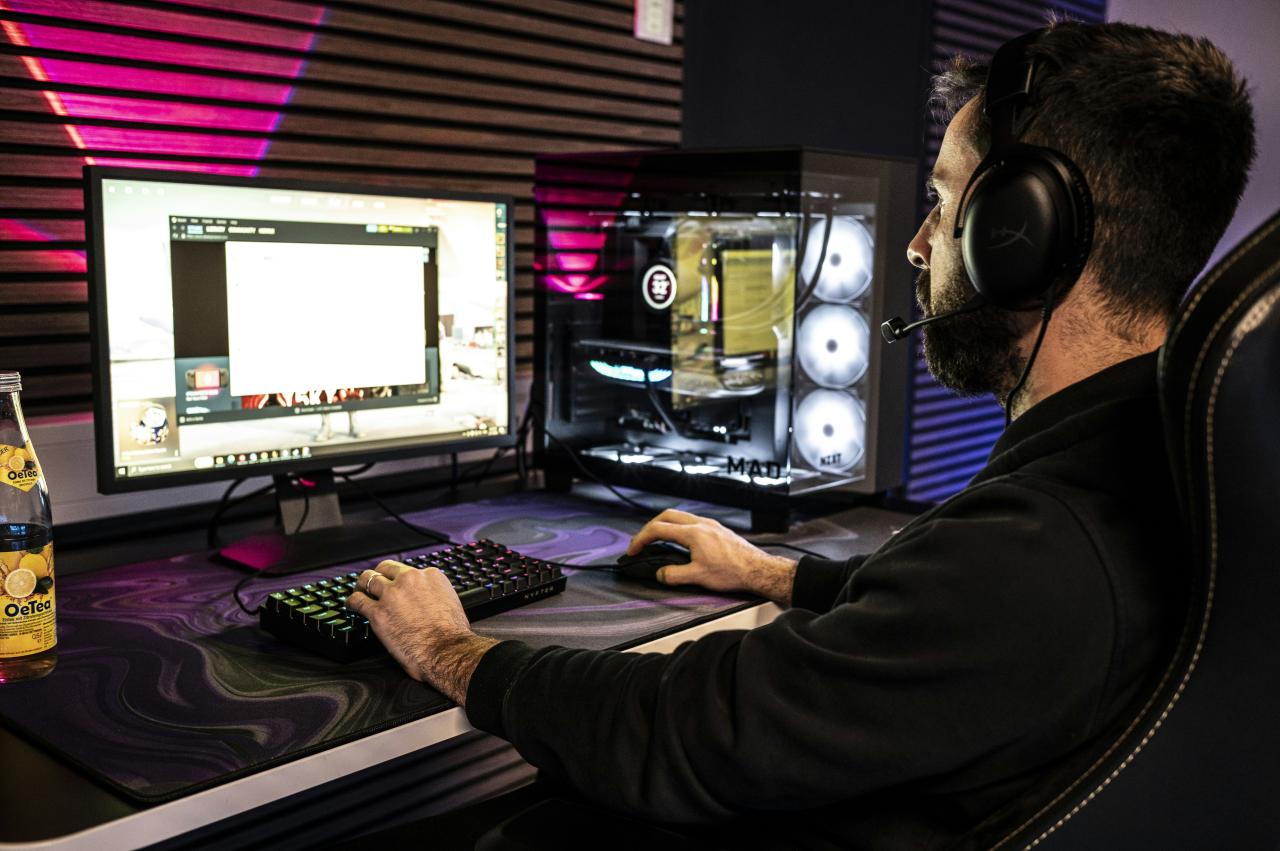
The world of competitive gaming has evolved from a casual hobby into a multi-billion-dollar global industry where every millisecond counts. In this high-stakes arena, the quality of your equipment is just as vital as your physical reflexes or strategic thinking. Professional players no longer rely on standard peripherals; they seek out specialized gear designed to minimize latency and maximize precision.
This transition toward elite hardware is driven by the realization that even the smallest technical delay can result in a lost match. As a dedicated digital defense strategist and enthusiast, she understands that superior hardware provides the necessary security of performance needed to compete at the highest levels. When your gear is optimized, you can focus entirely on the game without worrying about input lag or hardware failure. This guide explores the essential components of a pro-grade setup that will give you a significant competitive edge in any digital battlefield. Investing in the right tools is the first step toward transforming your gameplay from amateur to professional.
High Precision Mice for Pixel Perfect Aim
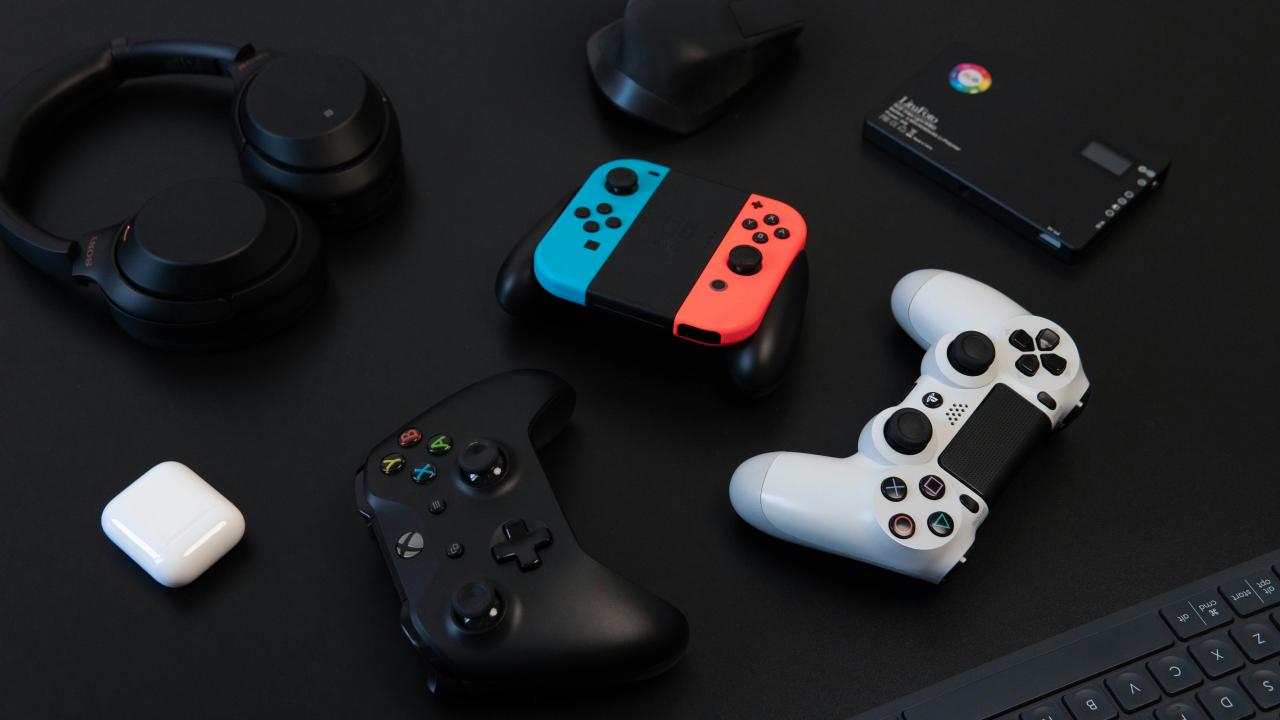
A professional gaming mouse is the most critical tool in any competitive player’s arsenal, especially for first-person shooters. These devices are engineered with high-end sensors that provide flawless tracking and zero hardware acceleration. The physical weight and shape of the mouse also play a massive role in maintaining consistency during long, intense sessions.
A. Selecting Ultra Lightweight Designs for Rapid Movement
B. Understanding High DPI and Optical Sensor Precision
C. Evaluating Polling Rates for Minimal Input Latency
D. Customizing Side Buttons for Complex Macro Execution
E. Choosing Between Wired and Zero Lag Wireless Tech
The best mice today offer polling rates of up to 8000Hz, ensuring that every tiny flick of your wrist is captured instantly. Many pros now prefer wireless models that utilize proprietary low-latency technology, offering the freedom of movement without the drag of a cable. Finding a mouse that fits your specific grip style—whether it is palm, claw, or fingertip—is essential for long-term comfort and accuracy.
Mechanical Keyboards with Rapid Actuation Switches
Standard membrane keyboards are insufficient for the rapid-fire demands of modern esports. Mechanical keyboards provide tactile feedback and much faster actuation points, allowing for quicker movements and ability usage. Many professional-grade boards now feature adjustable actuation, meaning you can decide exactly how far a key needs to travel before it registers.
A. Comparing Linear Versus Tactile Mechanical Switches
B. Utilizing Hot Swappable PCBs for Switch Customization
C. Implementing Tenkeyless Designs for More Mouse Space
D. Mastering Rapid Trigger and Adjustable Actuation Tech
E. Enhancing Durability with PBT Double Shot Keycaps
The smaller form factor of a Tenkeyless (TKL) or 60% keyboard is highly favored by professionals because it creates more room for large mouse movements. Advanced software allows players to remap every key and create complex macros that can be executed with a single press. These keyboards are built to withstand millions of keystrokes, ensuring they won’t fail during a critical tournament moment.
High Refresh Rate Monitors for Visual Clarity
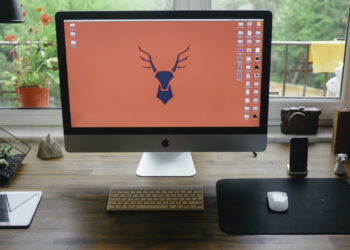
In fast-paced games, a standard 60Hz monitor is a massive disadvantage that will hold back your performance. High refresh rate displays, ranging from 240Hz to 360Hz and even 540Hz, provide much smoother motion and reduce distracting motion blur. This allows you to track moving enemies more accurately and react to visual cues several milliseconds faster than your opponents.
A. Maximizing Performance with 360Hz and Higher Panels
B. Reducing Ghosting with 1ms Gray to Gray Response
C. Utilizing Variable Refresh Rate for Tear Free Images
D. Optimizing Resolution for Competitive Frame Rate Gains
E. Comparing Fast IPS Versus Traditional TN Panel Tech
The choice of panel type is also crucial, as modern Fast IPS panels now offer the speed of older TN panels with vastly superior color accuracy. Most professionals stick to a 24-inch or 27-inch screen size to keep the entire game within their natural field of vision. A higher refresh rate literally gives you more updated information per second, which is a massive advantage in any reaction-based game.
Pro Grade Audio for Precise Spatial Awareness
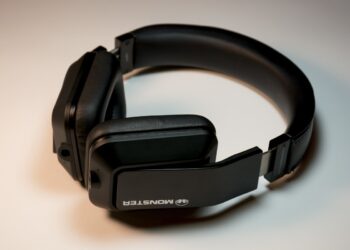
Sound is an often-overlooked element that can provide as much information as the visual display. A high-quality gaming headset or a pair of dedicated studio monitors allows you to hear subtle cues like footsteps or reloading sounds. Spatial audio technology helps you pinpoint the exact direction and distance of your enemies, even through walls.
A. Utilizing Open Back Headsets for Wider Soundstages
B. Implementing High Fidelity DACs for Audio Clarity
C. Mastering Positional Audio for Tactical Advantage
D. Evaluating Noise Canceling Microphones for Team Comms
E. Customizing EQ Profiles for Specific Game Genres
Clear communication with your team is just as important as hearing the game itself. Professional headsets often feature broadcast-quality microphones that filter out background noise, ensuring your callouts are heard clearly during chaotic moments. Investing in a dedicated sound card or an external DAC can further improve the detail and depth of your audio experience.
Ergonomic Support for Long Term Endurance
Competitive gaming is physically demanding, and maintaining the correct posture is essential for preventing injuries like carpal tunnel or back pain. An ergonomic chair and a properly adjusted desk ensure that you can play at your peak for hours without fatigue. Professional gear isn’t just about the electronics; it is also about the physical support system that keeps you in the game.
A. Choosing Ergonomic Chairs with Lumbar and Neck Support
B. Adjusting Desk Height for Proper Arm and Wrist Alignment
C. Utilizing Arm Sleeves to Reduce Friction on Mousepads
D. Implementing Cable Bungees for Consistent Mouse Glide
E. Selecting Large Extended Mousepads for Consistency
A large, high-quality mousepad provides a consistent surface for your mouse sensor to track across. Many pros also use arm sleeves to ensure their skin doesn’t stick to the pad during intense, sweaty matches. These small ergonomic adjustments may seem minor, but they contribute significantly to your overall comfort and consistency over time.
Conclusion
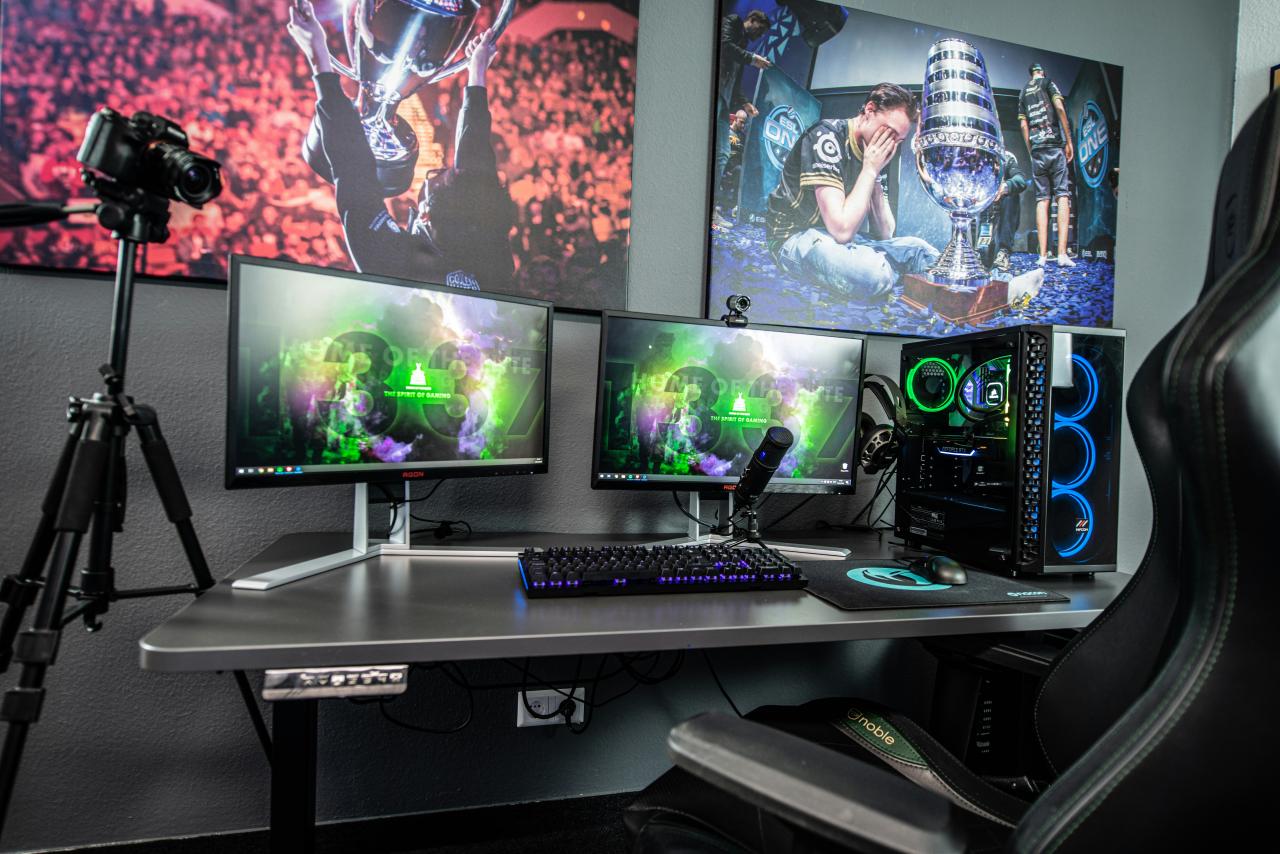
Achieving peak performance in competitive gaming requires a harmonious blend of high-end technology and physical skill. The journey toward professional play begins with identifying the hardware bottlenecks that are currently limiting your potential. A high-precision mouse is the most direct link between your reflexes and the actions occurring on the screen. Fast-actuation mechanical keyboards allow for the split-second timing required to execute complex maneuvers successfully.
High refresh rate monitors provide the visual fluidness needed to track targets in the most chaotic environments. Superior audio equipment turns the game world into a three-dimensional map that you can navigate by ear. Ergonomic support ensures that you can sustain a high level of play without suffering from physical strain. Customization is the key to making your gear work for your specific playstyle rather than fighting against it. As technology continues to advance, staying updated on the latest gear trends will remain a competitive necessity. The right equipment serves as a force multiplier for the thousands of hours you spend practicing your craft. Building the perfect setup is an investment in your future as a high-performance athlete in the digital age.